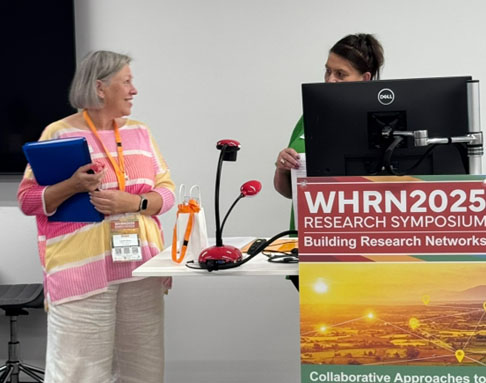
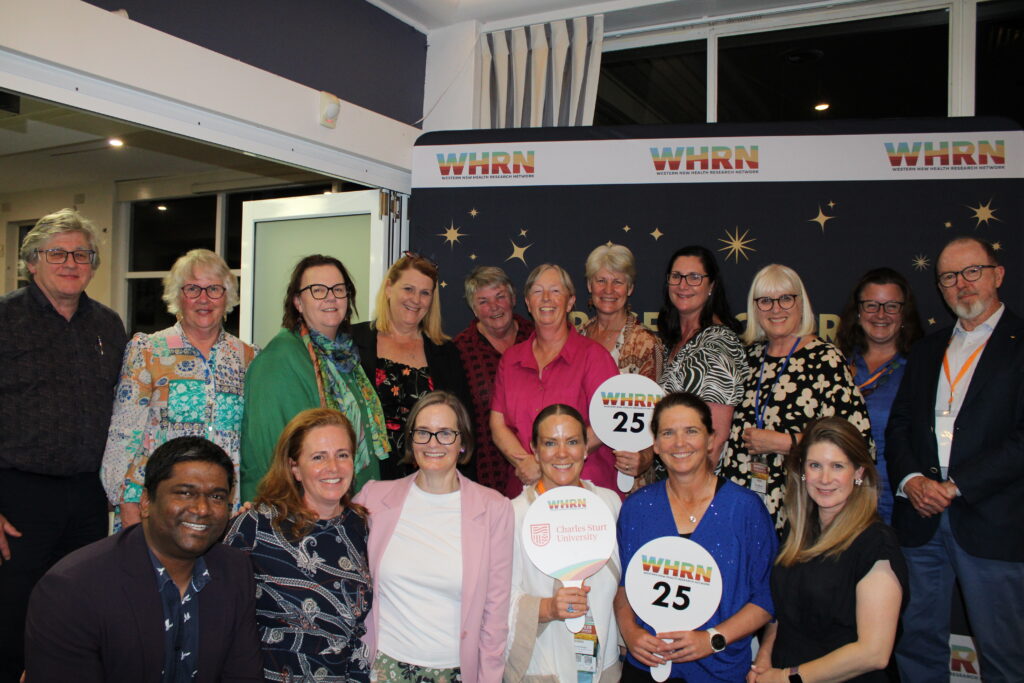
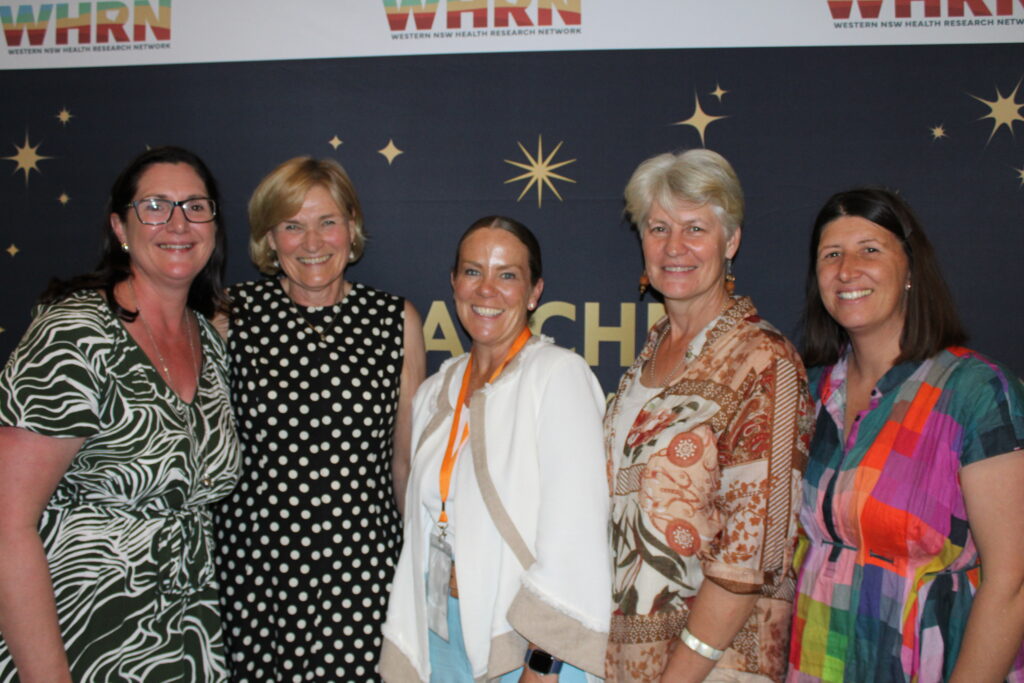
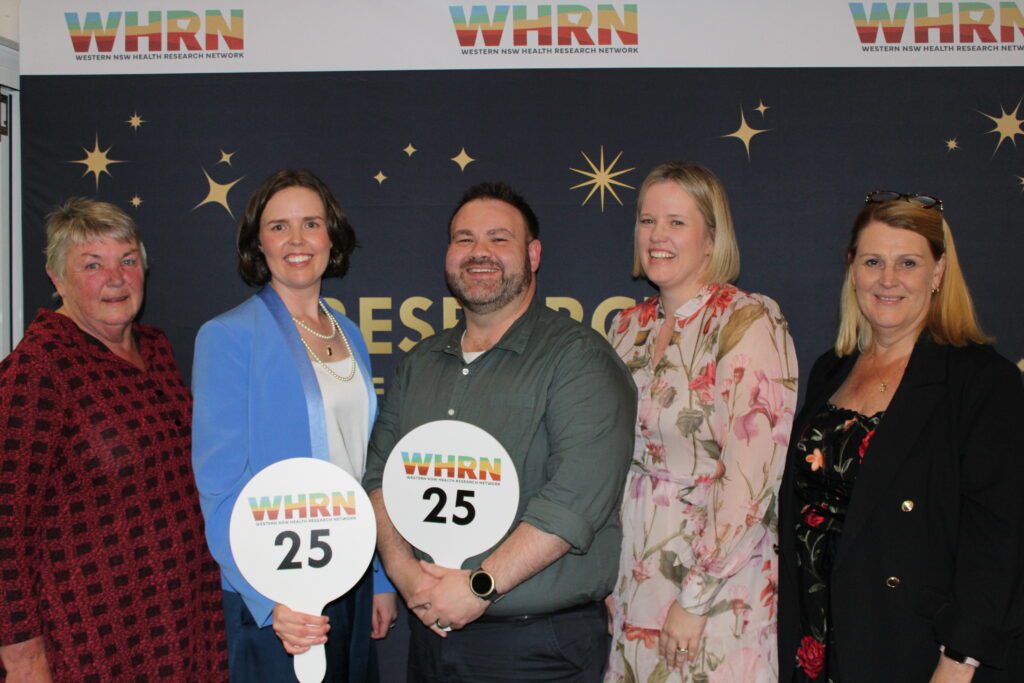
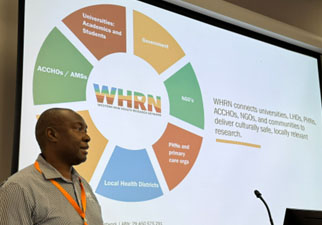
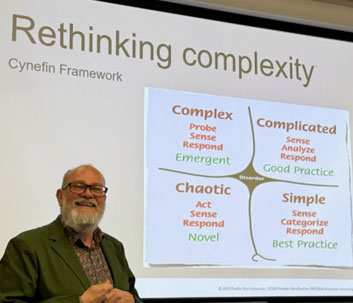
WHRN2025, held on November 3rd and 4th, at CSU Orange Campus, served as an opportunity for sharing innovative research and developing collaboration among health professionals, researchers, and community stakeholders in Western and Far Western NSW. With a record sold-out attendance of 175 delegates, and over 100 Abstract submissions, it was a demonstration of the importance of WHRN to the community and the impact WHRN has had, and will continue to have across our region. The feedback received from delegates throughout the event, and in the post-event delegate survey, was wonderful.
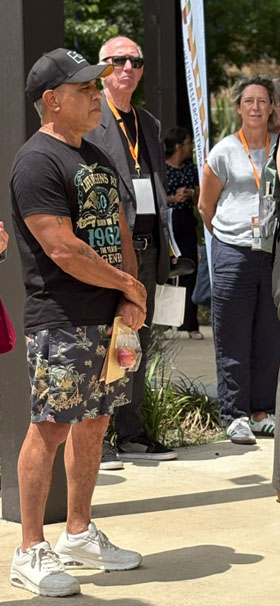
We were fortunate with the weather on Monday – and were grateful to commence proceedings with a Welcome to Country by Wiradjuri Elder, Ricky Ahsee from Orange Aboriginal Lands Council, emphasising the importance of Aboriginal perspectives in health research.
The first day featured a workshop titled “The Rural Health Research Journey in Western NSW: From Idea to Publication,” delivered by colleagues at Western NSW LHD. It was an extremely engaging session with over 60 delegates participating.
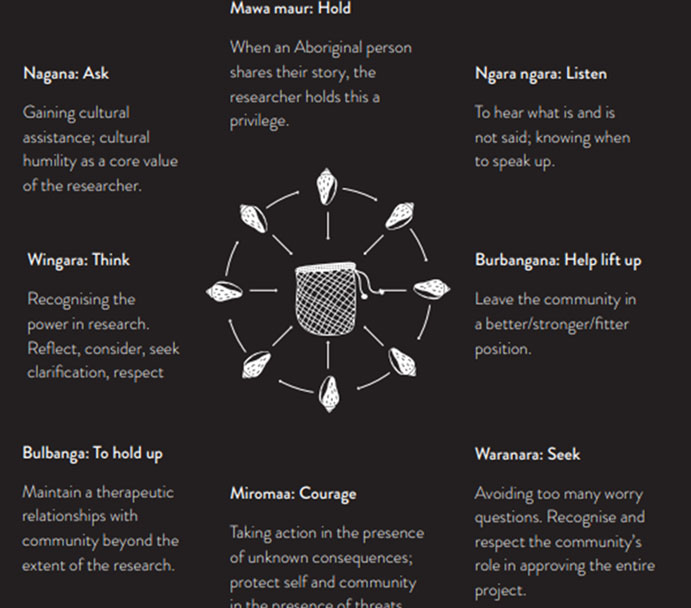
The inclusive session on Aboriginal health Research was well attended and delegates enjoyed the Pathways to partnerships introductory session by Co-Chair Deb Kenna and Aunty Kerrie Doyle – sharing the Yerin Dilly bag model:
Lynette Bullen shared her research journey, followed by a multi-organisational team speaking on establishment of Aboriginal voices at the centre of eating disorder research. This session set the tone for subsequent discussions on building effective research teams and utilising AI tools, and the framework of implementation science.
The speed-dating style networking session was fast paced and fun. Participants had the opportunity to engage with a variety of research networks during this session, which was sponsored by the USyd Networks and aimed at connecting collaborators from diverse backgrounds and expertise.
| USyd Networks | |
|---|---|
| USyd FMH Networks Overview | Prof Meredith Makeham/ Dr Cathy Barnett |
| Digital Health and Informatics Network | Dr Cathy Barnett (for Dr Liss Brunner) |
| Cardiovascular Network | A/Prof Georgie Luscombe / Dr Cathy Barnett |
| Cancer Research Network | A/Prof Helen McGuire / Dr Cathy Barnett |
| Academic Implementation Science Network | A/Prof Leanne Hassett / Dr Cathy Barnett |
| Community and Primary Health Care Network Cancer | Prof Meredith Makeham / Dr Cathy Barnett |
| USyd Centres | |
| Matilda Centre (Youth Mental Health and Substance Abuse) | Louise Thornton / Dr Cathy Barnett |
| Westmead Applied Research Centre | Kam Wong / Dr Cathy Barnett |
| The Leeder Centre – Health Economics & Data | A/Prof Martin Howell / Dr Cathy Barnett |
| Heat and Health Research Impact Centre | RECORDING / Dr Cathy Barnett |
| Centre for Disability Research Policy | Shane Clifton / Dr Cathy Barnett |
| Musculoskeletal Centre | Stephanie Beshara / Dr Cathy Barnett |
| Western NSW / Regional Research Networks | |
| WHRN Aboriginal Research Interest Group | A/Prof Georgie Luscombe |
| Care-Diabetes Partnership | Leah Pascoe, WNSWPHN |
| Rural Applied Drug and Alcohol Network | Dr Catherine Keniry |
| The Ageing Well Research Group, CSU | Deborah Magee |
| The Manna Institute | Dr Hazel Dalton |
| The Women’s Translational Research Network | Aunty Kerrie Doyle |
| NSW Regional Health Partners | Lisa McFayden |
| Facilitator, Prof Julaine Allan | |
The promised Networking Information can be found here: USyd Networking Session Slides
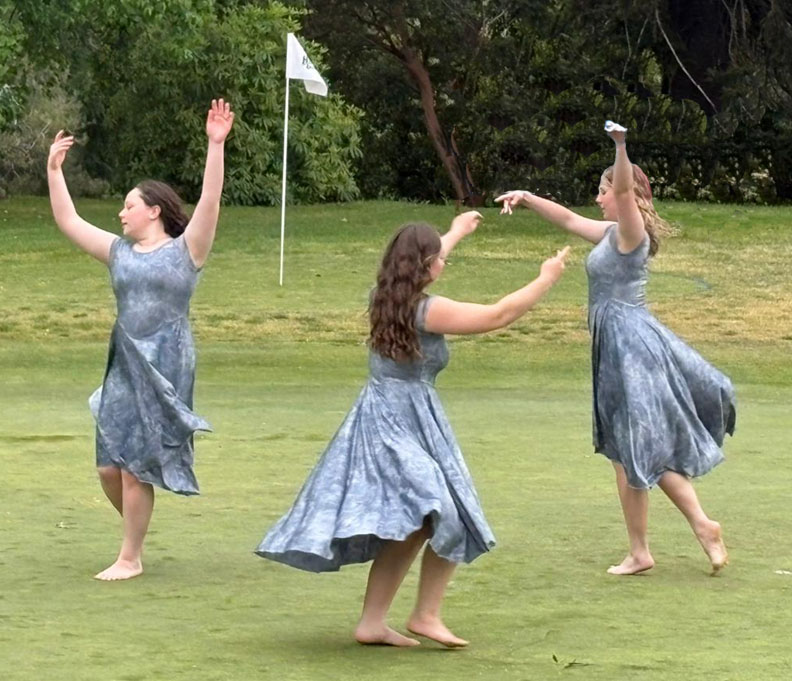
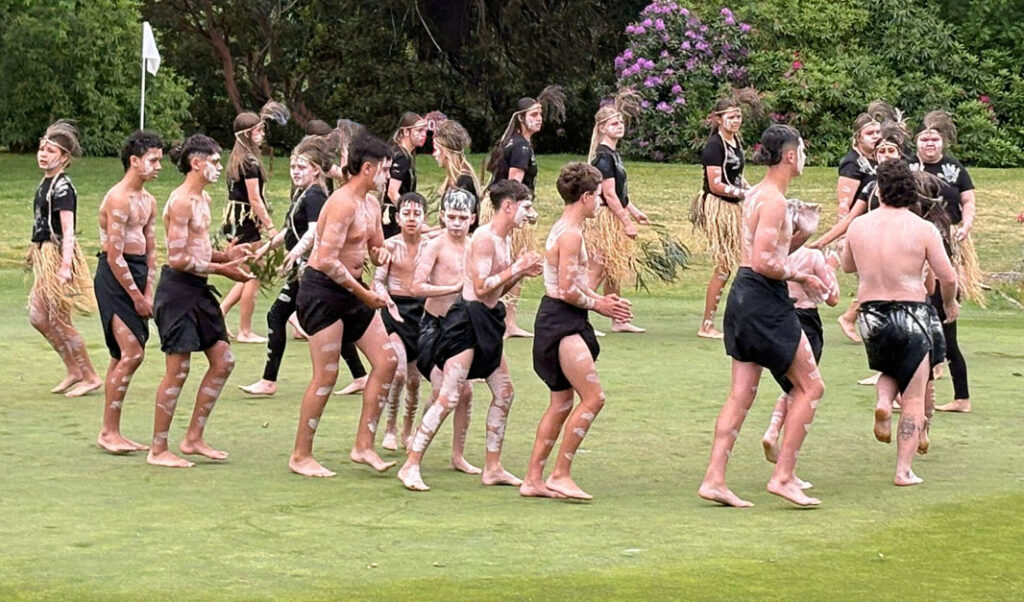
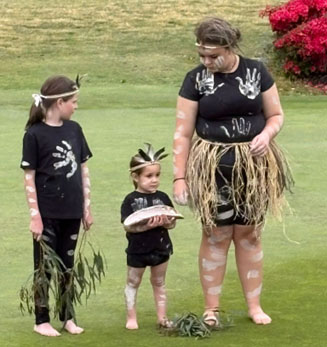
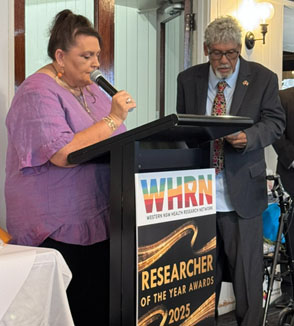
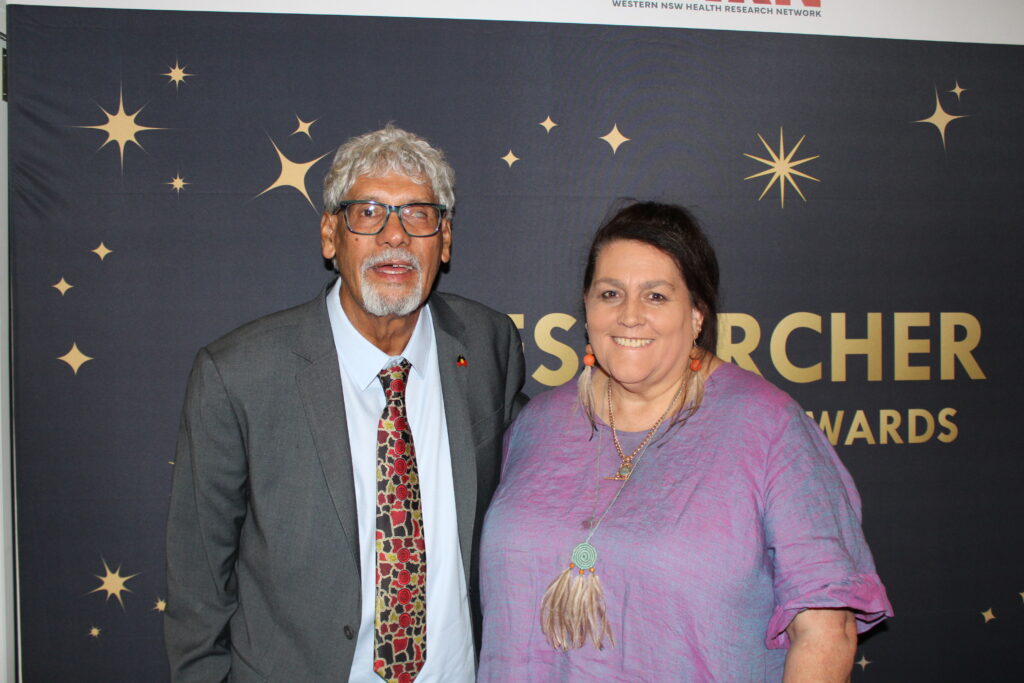
The Western NSW Researcher of the Year Awards Gala Dinner, held at Duntryleague, was a highlight of the symposium. Commencing with Aboriginal dance troupes from local Orange schools, guests were treated to 2 beautiful performances on the Duntryleague lawn, followed by a welcome to country by local Wiradjuri Elder and legend, Neil Ingram.
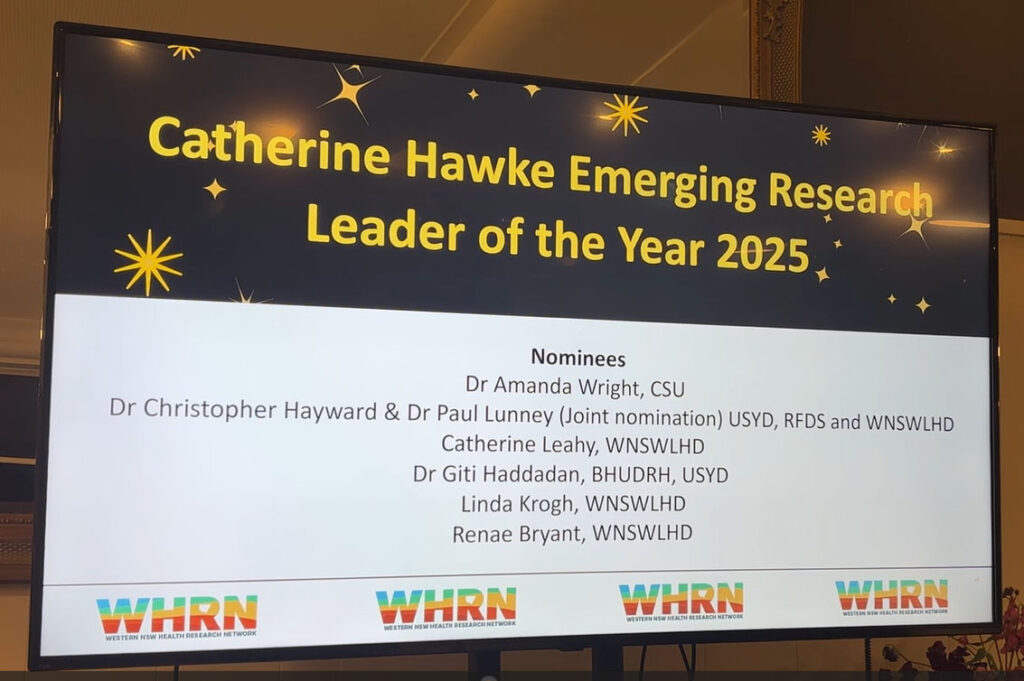
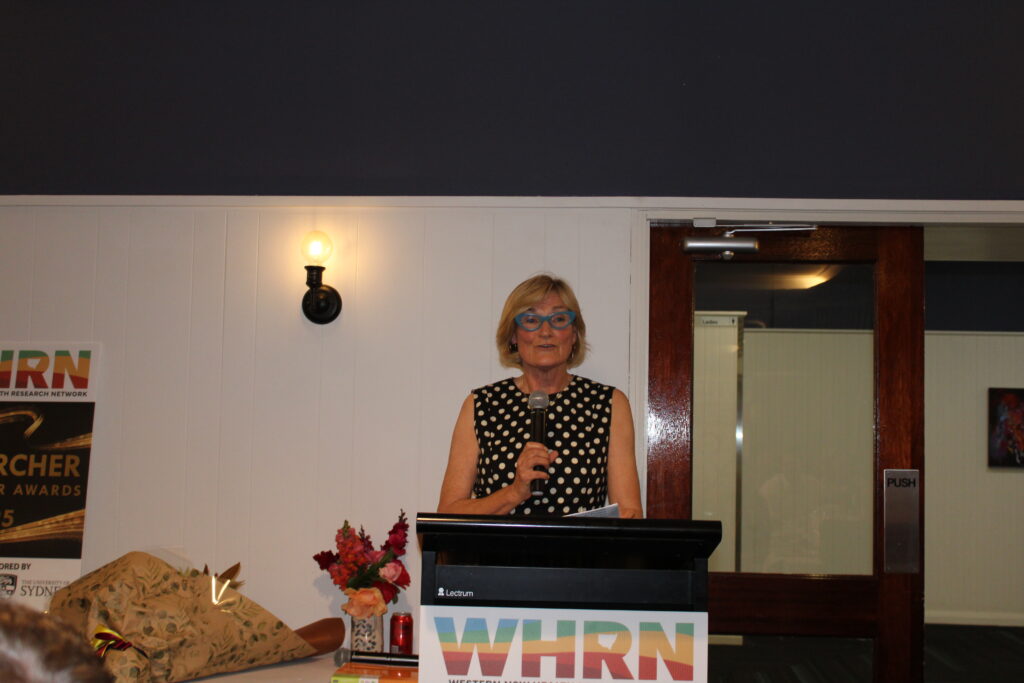
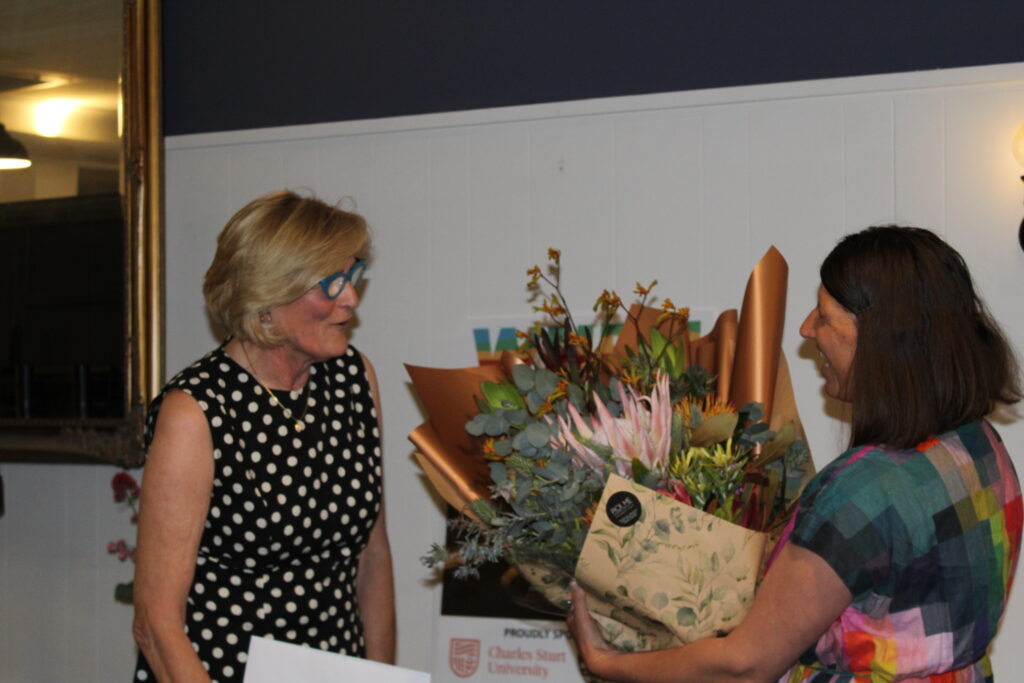
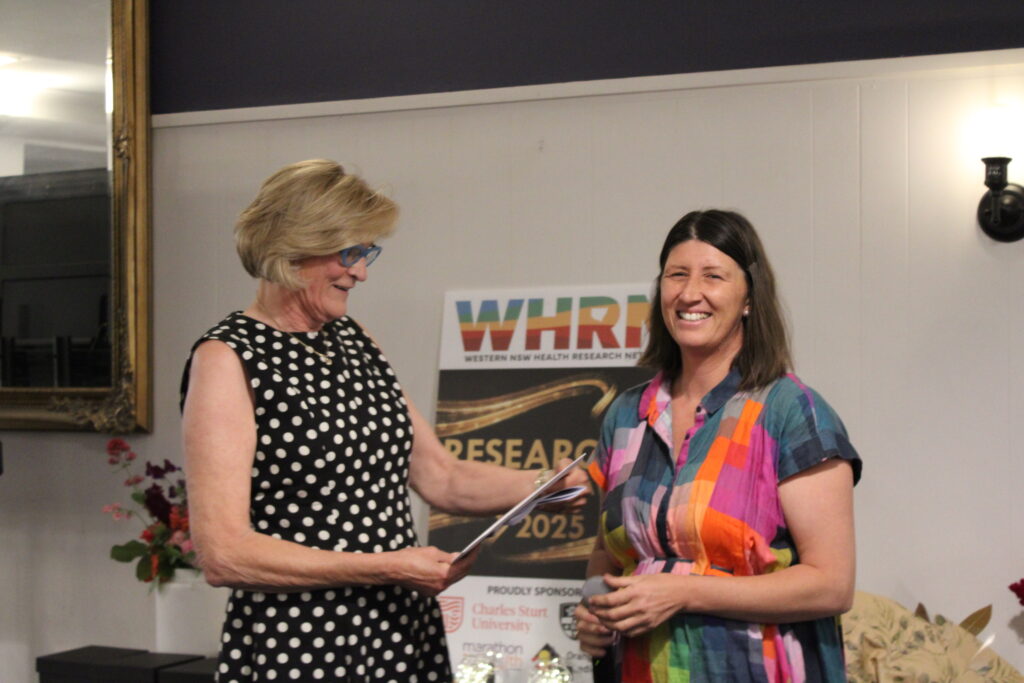
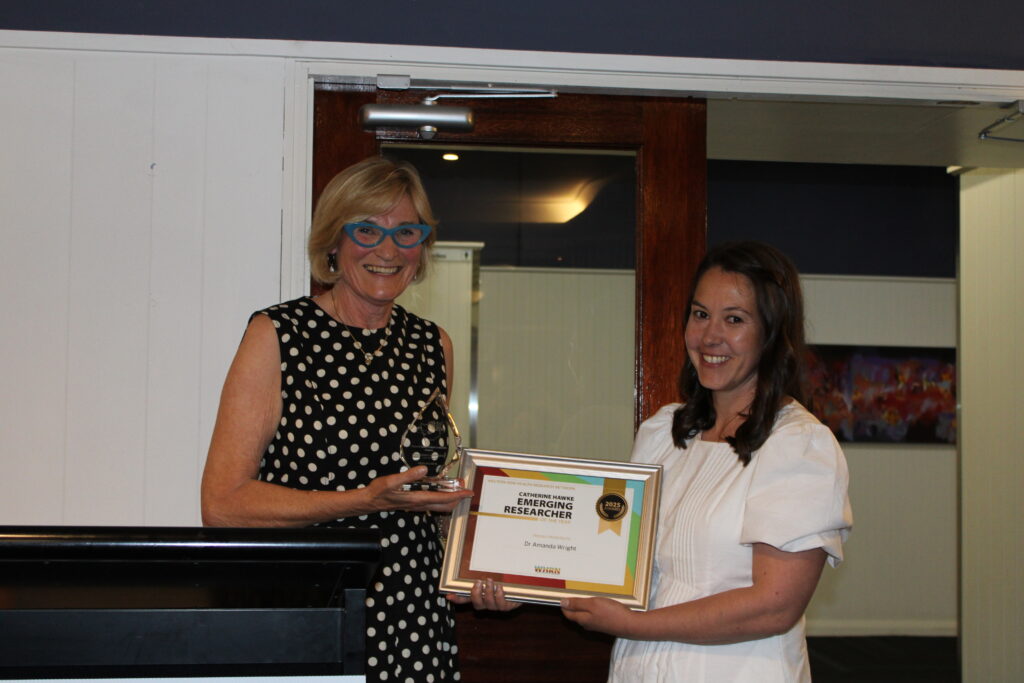
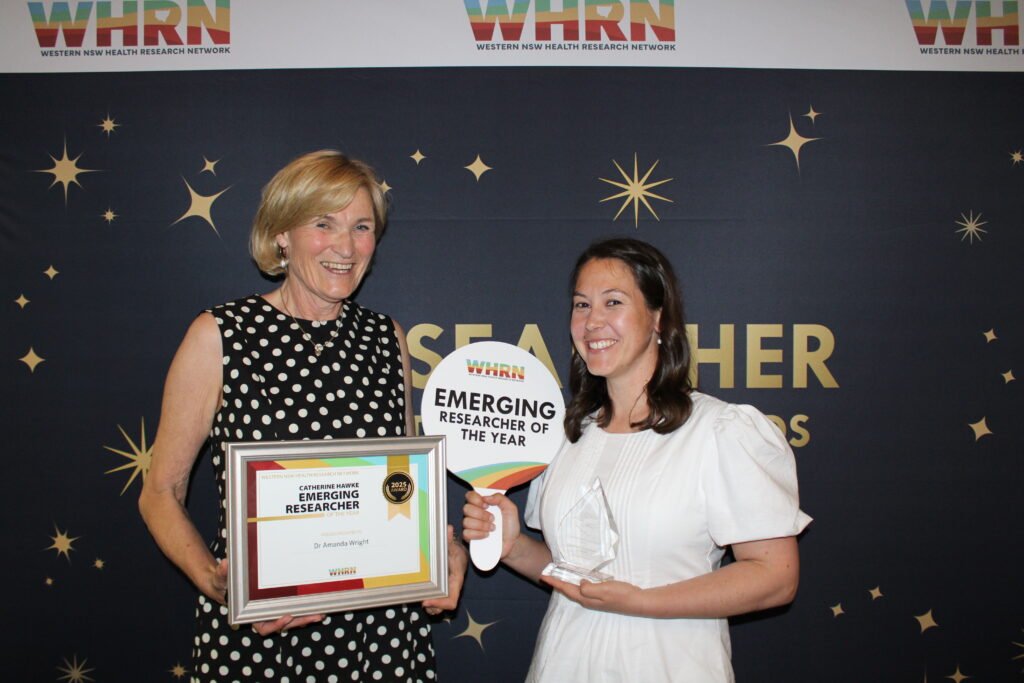
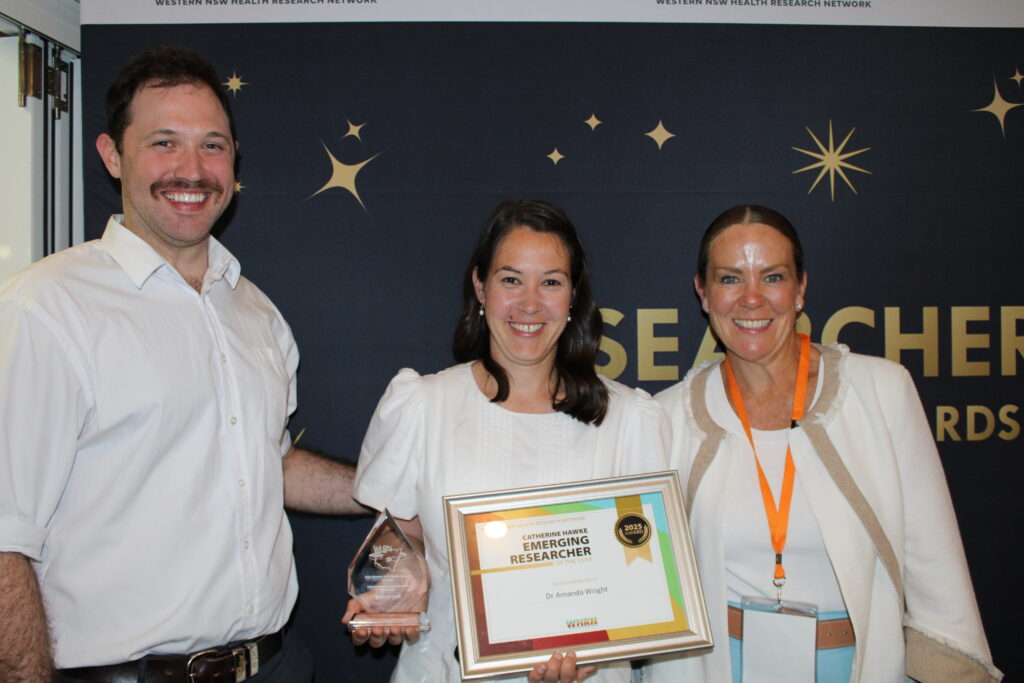
The Awards featured the Inaugural ‘Catherine Hawke’ Emerging Researcher of the Year award – awarded to CSU medical student Dr Amanda Wright. Dr Alice Munro delivered a special tribute to the WHRN Founder, Professor Hawke, and recognised the significant impact Catherine has had on research across our region, as well as medical education.
Best General Abstract:
Elsie de Klerk – Three Rivers Dept of Rural Health
What makes us Sing Out? The essential elements of a regional, inclusive dementia choir
Best Open Abstract:
Emily Murphy – Australian Primary Health Care Nurses Association
Factors influencing the recruitment and retention of primary health care nurses in rural and remote areas: An evidence-based approach.
Best Emerging Abstract:
Cindy Earl – Murrumbidgee Local Health District
How to support clinical pathway use in emergency departments to treat cardiac symptoms: A project prioritising rural clinician perspectives
Best Student Abstract:
Leigh Davison- Marathon Health & Charles Sturt University
Evaluation of SW Connect: A virtual group supervision program for rural and remote social workers
Catherine Hawke Emerging Researcher of the Year
Amanda Wright
Aboriginal Research Leader of the Year
Professor Michelle Dickson
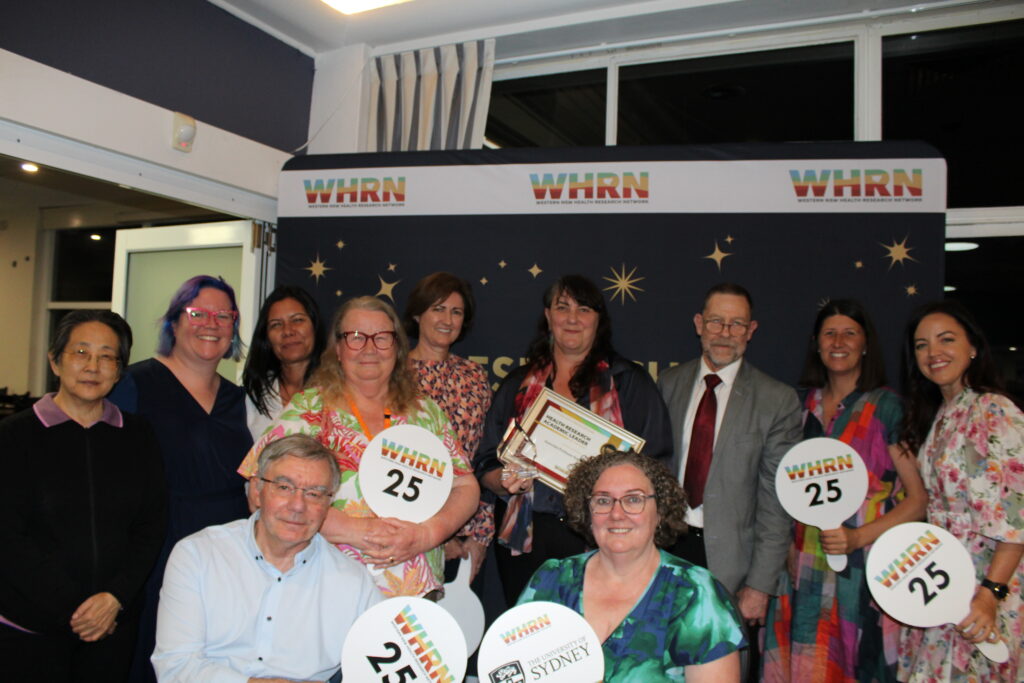
Health Research Academic Leader of the Year
A/Prof Kerrie Noonan – WNSWLHD
Clinical Research Leader of the Year
Rodney Hammond
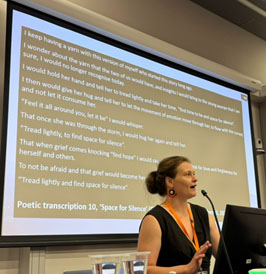
On the second day, the symposium opened with an Acknowledgement of Country by Deb Kenna, followed by the official launch of the scientific program by A/Professor Melissa Nott. Dr Gerald Chitsunge delivered the WHRN Sustainability Plan, followed by a keynote address by Dr. Reakeeta Smallwood focused on “Holding space for ‘tricking the trickster’: Relational accountability and Aboriginal ethics in community health research,” emphasizing the need for ethical frameworks that respect Aboriginal cultural values in research practices. Reakeeta’s passionate delivery was inspiring to all in the room – and provided much food for thought. Reakeeta’s personal experiences and poem sharing was a highlight.
The scientific symposium showcased a diverse range of presentations, including emerging research on dementia care, virtual health initiatives, and the impacts of social prescribing in rural communities. Notable studies included an exploration of the essential elements of inclusive dementia choirs, the challenges faced by rural health practitioners, access for rural communities, and a retrospective study on emergency medical transport in rural settings.
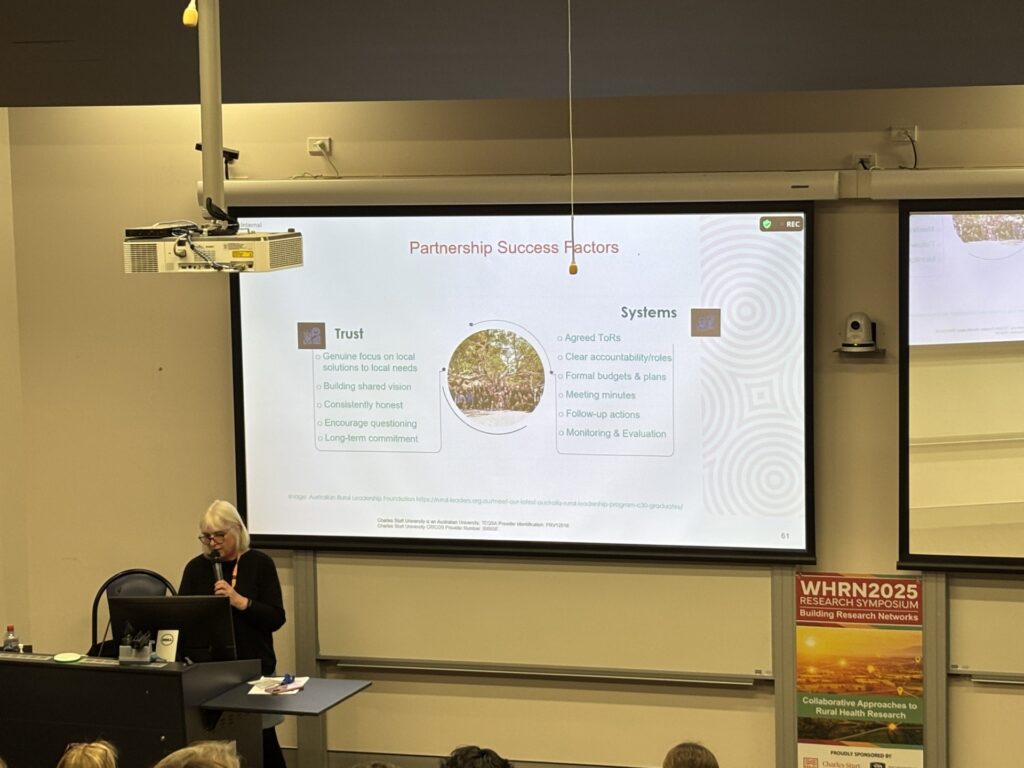
Keynote speaker Professor Sharon Brownie discussed “Improving Health Equity and Access: The Power of Collaborative Networks,” reinforcing the significance of partnerships in enhancing healthcare delivery in rural areas. The symposium also featured lightning talks that provided a platform, over lunch, for emerging researchers to present their work, creating an environment of knowledge exchange and collaboration.
The event concluded with a closing keynote by Professor Tony Dreise, who addressed the theme of First Nations health research, focusing on the need to address systemic gaps in health outcomes for Aboriginal communities. Tony shared some tragic statistics including that 1 in 5 Aboriginal children will have at least one parent incarcerated in their lifetime.
Melissa Nott wrapped up WHRN2025 with awards for outstanding scientific contributions and a reflection on the importance of continued collaboration in rural health research.
Best Open Oral Presentation:
Diana Kubowicz, Alice Gordon & Wendy Holmes
Supporting Aboriginal Health Practitioners to Vaccinate Mob
Best Emerging Oral Presentation:
Luke Marks
Real-World Implementation of Nursing Professional Practice and Leadership Frameworks: A Scoping Review Highlighting Rural Healthcare Knowledge Gaps
Best Student Oral Presentation:
Jacob Stretton
Are Rural Australian STEMI patients disproportionately affected by LVEF Dysfunction?
Best General Oral Presentation:
Uchechukwu Levi Osuagwu
The Impact of the Bathurst Men’s Walk and Talk Program on Well-Being Outcomes in Rural Men – A Cross-Sectional Study
People’s Choice e-Poster:
Clare Sutton
Fatigue on the frontline: Paramedic insights into organisational influences
The insights gained from this symposium have the potential to significantly impact rural health outcomes in Western and Far Western NSW. By supporting collaborative networks and emphasising ethical and culturally appropriate research practices, the symposium highlighted pathways to enhance healthcare access and equity for rural populations. The ongoing research efforts discussed during the event are crucial for addressing the unique health challenges faced by rural communities and for promoting sustainable health initiatives.
We will be joined by Dr Natasha Friend and Dr Bronwyn Wyatt from the National Health and Medical Research Council (NHMRC) Equity Team. They will provide an overview of NHMRC’s equity policy activities, with a particular focus on gender, regional, remote and rural (RRR) equity and indigenous equity activities
This presentation will be followed by a session exploring the barriers faced by regional, rural and remote researchers with discussions on advancing equity across the research sector to complete the session.
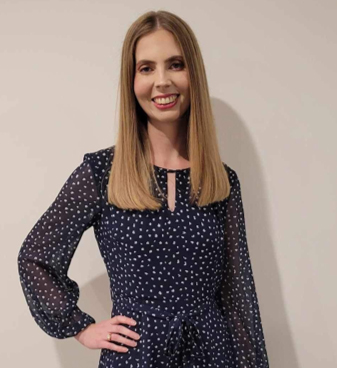
Dr Natasha Friend is the Assistant Director Equity in the Research Quality and Advice Branch at the National Health and Medical Research Council (NHMRC). Natasha helps lead NHMRC equity policy across priority areas including gender and rural, regional and remote equity. Natasha completed her PhD in the genetics of multiple myeloma at the South Australian Health and Medical Research Institute. She has worked at both NHMRC and the Australian Research Council in several roles including grants administration, evaluation and policy.
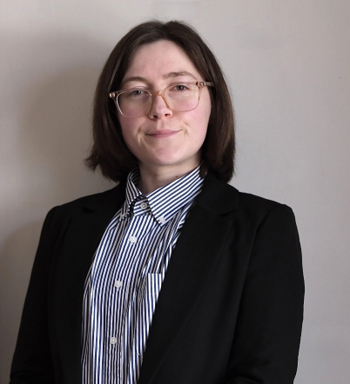
Dr Bronwyn Wyatt is a Senior Policy Officer in the Research Quality and Advice Branch at the National Health and Medical Research Council (NHMRC), supporting initiatives that promote equity in and through health and medical research. Bronwyn has a PhD in Biological Anthropology from the Australian National University and previously worked as a Data Analyst at the Australian Institute of Health and Welfare across a range of national health data programs.
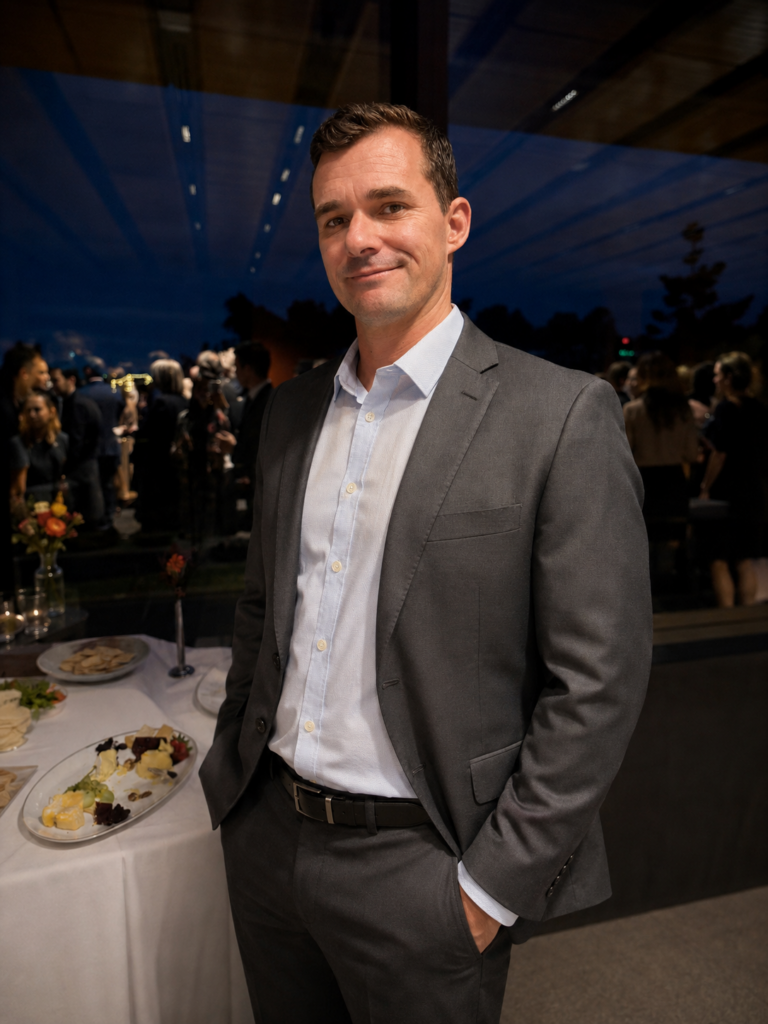

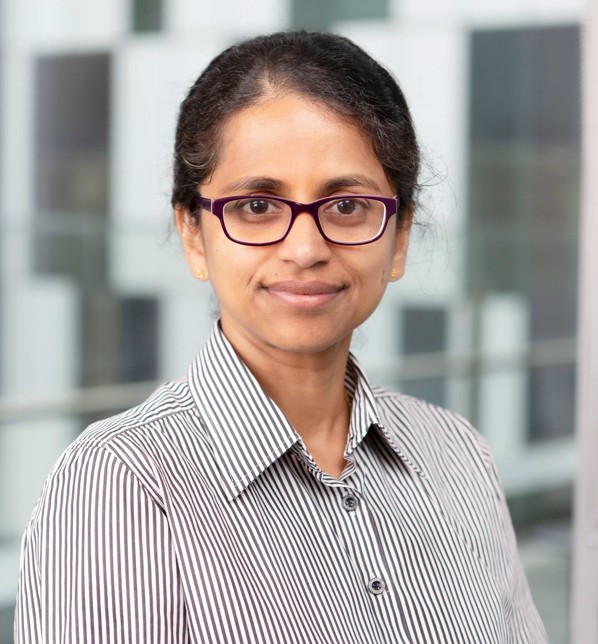
Shalinie King is an Associate Professor with the University of Sydney Dental School where she is the academic lead for Rural Placements, and program lead for Oral Health Research at the Westmead Applied Research Centre (WARC). Shalinie is a practising clinician with experience working in both the public and private sectors, she has extensive teaching experience and recently completed a 12-month term as Director of Academic Education at the Sydney Dental School.
Her research interests include understanding the associations between oral health and overall health, developing and evaluating strategies to improve community access to basic oral health information focusing on the use of digital technologies to support oral health promotion. Her work aims to design and implement new models of care that integrate oral and overall health care and, that improve community awareness and knowledge about the importance of good oral health in contributing to better overall health outcomes.
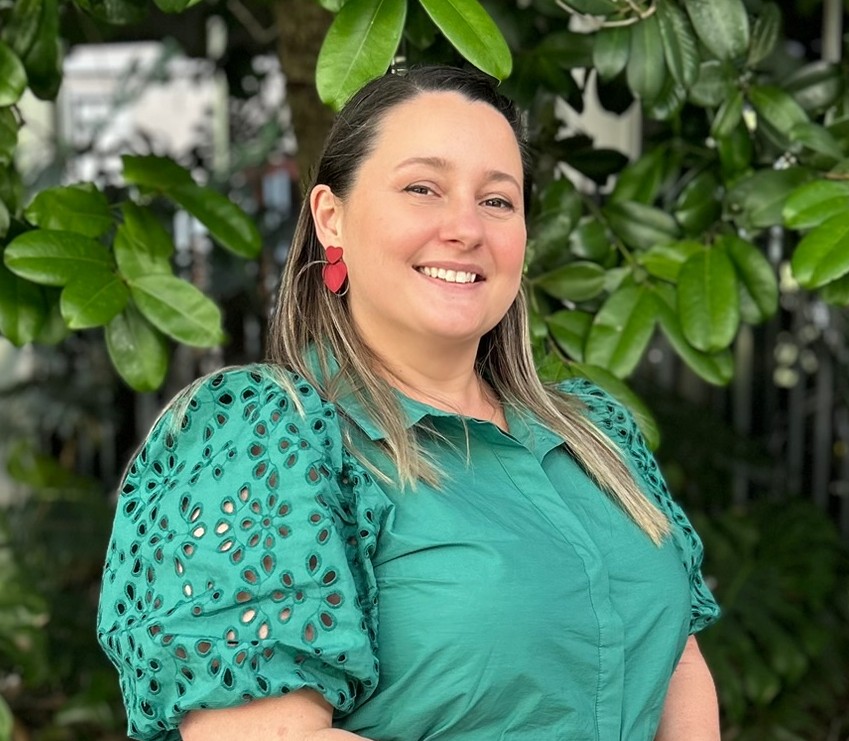
Dr Lauren Church is a Lecturer with the University of Sydney Dental School, where she is third-year unit of study coordinator for the Bachelor of Oral Health. Lauren is a registered clinician with public and private sector experience and teaches BOH students in the acute care setting at Sydney Dental Hospital, where she fosters interprofessional learning between BOH and DMD students.
She recently completed her PhD at the University of Sydney. Her research examines the connection between oral health and cardiovascular disease, oral health education in hospital settings, and protocols for integrating digital oral health interventions into cardiac rehabilitation. Her work aims to shape compassionate, patient-centred clinicians and to advance oral health within broader public health strategies. Lauren is Deputy Chair of the Oral Health Association of Australia (NSW Branch) and NSW Oral Health Representative for the Public Health Association of Australia.
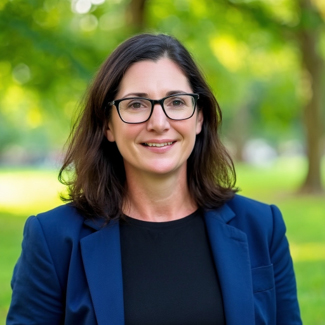
Melissa is a regionally based occupational therapist working with rural communities, health service users, families, health professionals and service providers. She has a strong background in collaborative and partnership-based research that focuses on translating evidence into healthcare practice, supporting health professionals to build sustainable research networks, co-design and co-production with community stakeholders, and evidencing impacts of healthcare initiatives.
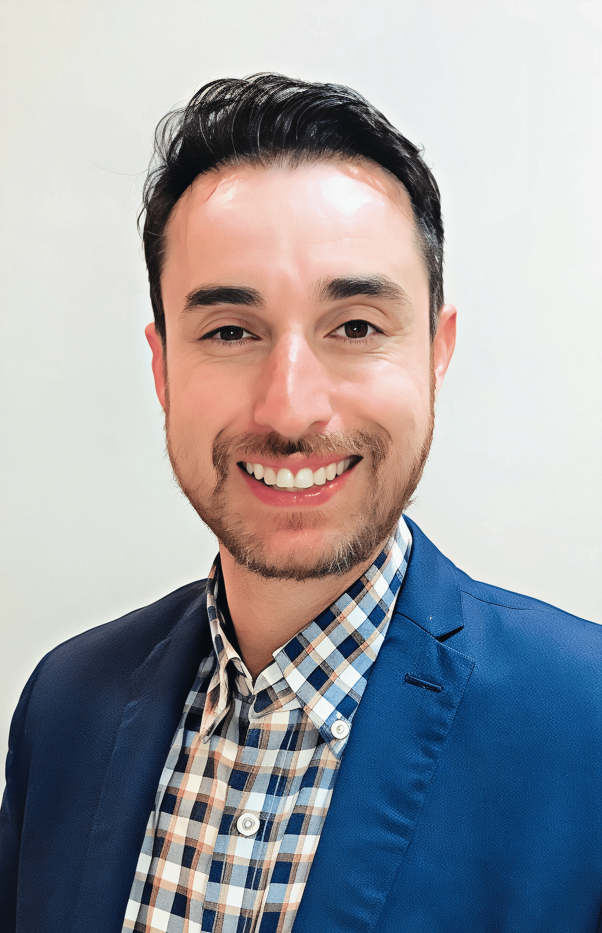
AProf Marco Paschoal is an Associate Professor in Clinical Dentistry at Charles Sturt University, (Orange Campus) and a specialist paediatric dentist with a strong commitment to advancing child oral health through research, education, and clinical practice. His research focuses on developmental dental defects, particularly molar hypomineralisation, alongside cariology, and evidence-based approaches to paediatric dental care. He has published extensively in international peer-reviewed journals and is passionate about translating research findings into meaningful improvements in clinical care and health outcomes for children and adolescents. Beyond his academic role, he has actively contributed to the advancement of oral health research through professional leadership and scholarly service. He serves as the IADR Western NSW Councillor and is an active member of the Australian and New Zealand Society of Paediatric Dentistry (ANZSPD) and the International Association of Paediatric Dentistry (IAPD). He also contributes to scientific publishing as a Board Member of Scientific Reports, an Editorial Board Member of BMC Oral Health, and a Guest Editor for BMC Pediatrics, supporting the dissemination of high-quality research and evidence-based practice worldwide.
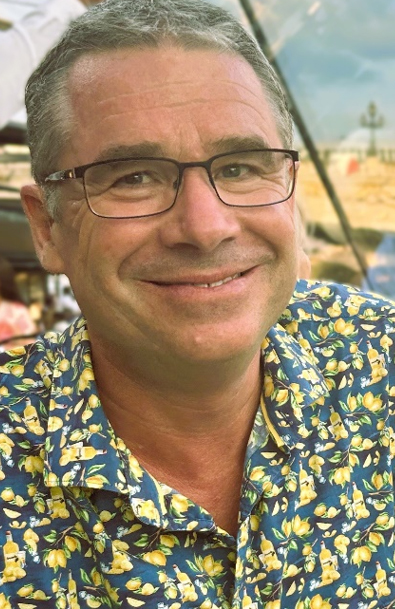
Matt Thomas is a clinical psychologist working in the role of Principal Practice Lead with Marathon Health, based in Bathurst, NSW. His role includes leading research activities focussed on evaluation of innovative rural health services and rural health workforce development. He is an Adjunct Associate Professor in the School of Psychology at Charles Sturt University and in the Discipline of Psychiatry and Mental Health at the University of NSW.
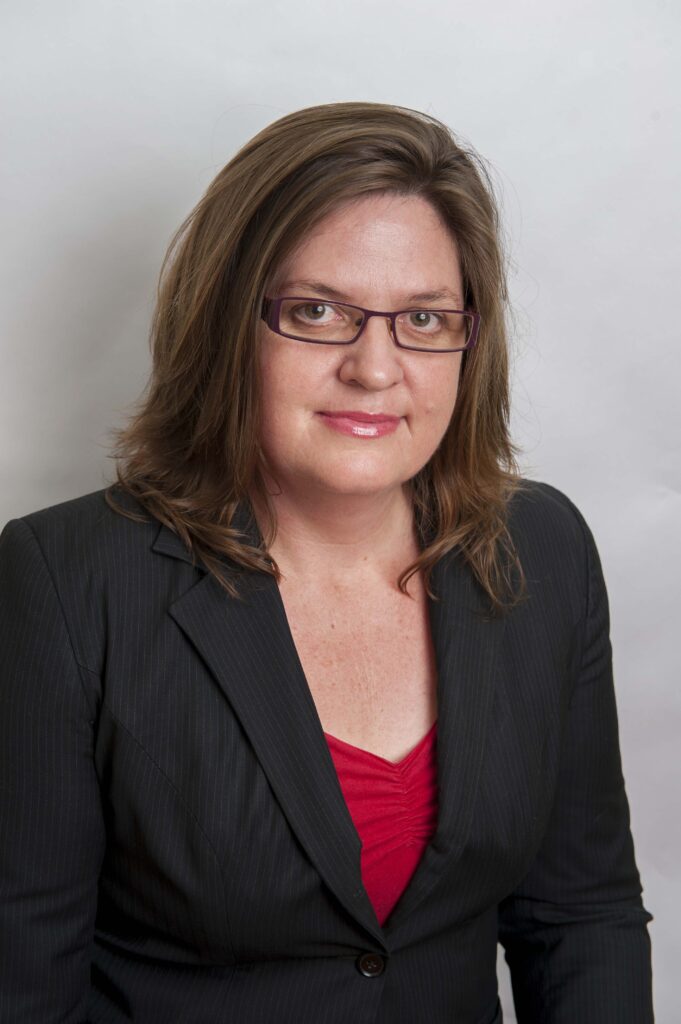
Carrie Hayter works to amplify the human rights and living experience of people who use aged care, disability and health care services and has over 30 years’ experience working alongside people who use aged care, disability and health services to improve and change service systems. Carrie has a Bachelor of Social Work (Honours) from the University of NSW, a Masters of Economics (Honours) from the University of Sydney, is a 2017 graduate of the Sydney Leadership Program, and a Distinguished Member of the Australian Association of Gerontology. Carrie has living experience of Coronary Artery Disease and is a consumer representative on the St Vincents Private Hospital Consumer Advisory Committee, the St Vincents Private Hospital Clinical Governance Committee and the Westmead Applied Research Centre in Sydney. She is a Consumer Adviser on the Victor Chang Cardiac Research Institute, Consumer and Community Involvement Working group that is working to improve consumer and community involvement in research across the Institute. Between 2021 and 2024, she worked for Health Consumers NSW as the Consumer Engagement Manager, Health and Medical Research, working to build the capability and capacity of consumers and researchers to involve consumers and the community in health and medical research. Carrie’s vision is for all people and communities to live their best lives supported by service systems underpinned by human rights and evidence-based practice. Find out more at https://www.carriehayter.com/.
Melissa is a regionally based occupational therapist working with rural communities, health service users, families, health professionals and service providers. She has a strong background in collaborative and partnership-based research that focuses on translating evidence into healthcare practice, supporting health professionals to build sustainable research networks, co-design and co-production with community stakeholders, and evidencing impacts of healthcare initiatives.
Research often begins with a simple question: Why does this happen? Could we do this differently?
Designed for clinicians with emerging curiosity about research, this interactive workshop explores how everyday challenges, observations, and quality improvement activities can become meaningful research opportunities. Through a researcher panel and practical group activities, participants will learn how to identify workplace problems, develop research questions, and take their first steps towards research that can improve rural health services and patient outcomes.
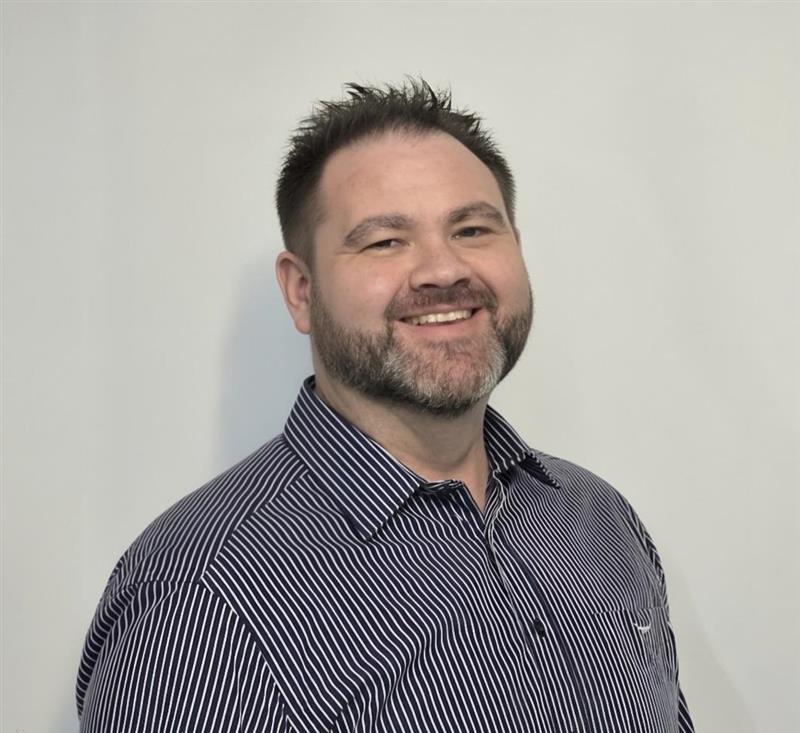
Luke Marks is a Research Coordinator, nurse leader, and PhD candidate with more than 24 years’ experience across rural and regional healthcare. His clinical background spans emergency, paediatric, community, renal, perioperative, intensive care, and nursing leadership roles. Luke currently leads initiatives focused on nursing and midwifery workforce development, leadership, research, advanced practice, and professional standards. Passionate about building research capacity within the healthcare workforce, Luke is the founder of the Nursing and Midwifery Research Excellence Centre (NaMREC), an Adjunct Senior Lecturer with Charles Sturt University, and is currently undertaking a PhD exploring leadership practice among Advanced Practice Nurses in regional New South Wales. A Wiradjuri man living and working on Wiradjuri Country, Luke is committed to supporting clinicians to translate curiosity, quality improvement activities, and everyday practice challenges into meaningful research that strengthens rural health services and improves patient outcomes.
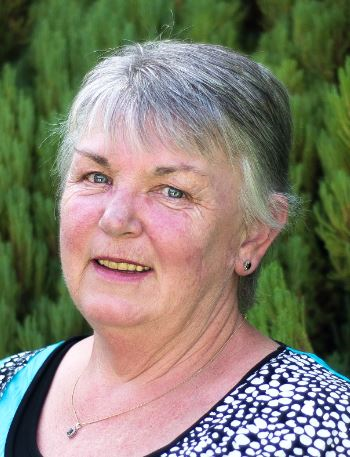
Sharon is a Registered Nurse and academic at Charles Sturt University (CSU) with extensive experience in community-based nursing, health service management, and organisational development. Her experience extends from major metropolitan hospitals to rural and small remote Australian health services and has included major state level project work. Her research interests include transition to professional practice, rural nursing workforce preparation, development, retention, and capacity building. Sharon has been working with the Western NSW LHD Nursing and Midwifery Research Excellence Centre (NaMREC) to build research capacity and capability through a number of projects. If accepted, this workshop will be co-facilitated by NaMREC project participants and CSU partners.


We will hear from Michael Newman, Deputy CEO of the Lowitja Institute, who will provide an overview of the Institute’s work. He will be followed by Judy Johnson, Chair of the Riverina Medical and Dental Aboriginal Corporation, and Simone Sherriff, Senior Research Fellow at the Poche Centre for Indigenous Health, University of Sydney, who will present a Lowitja Institute-funded research case study from Western NSW.
Nicole Turner, CEO of the Aboriginal Health & Medical Research Council of NSW, will then discuss the importance of strategic research and its role in improving Aboriginal health outcomes. The session will conclude with an opportunity for questions and discussion.
Following this, Jamie Newman will introduce the Orange Aboriginal Medical Service (OAMS). We will then hear from Fiona Clarke, Clinical Administration Lead at OAMS, who will present research from the Antecedents of Renal Disease in Aboriginal Children and Young People (ARDAC) Kidney Health Research Program. Anne-Marie Mepham, Chronic Care Coordinator at OAMS, will then present Screen Your Way, a cervical screening self-collection project.
The session will conclude with a further opportunity for Q&A and discussion.

In this session, you’ll work your way through a fun set of questions to discover new contacts and connections. It’s a networking adventure, with maps of where you travelled – and maybe even some treasure – at the end.
You’ll need to bring your mobile phone along to this session to take part.
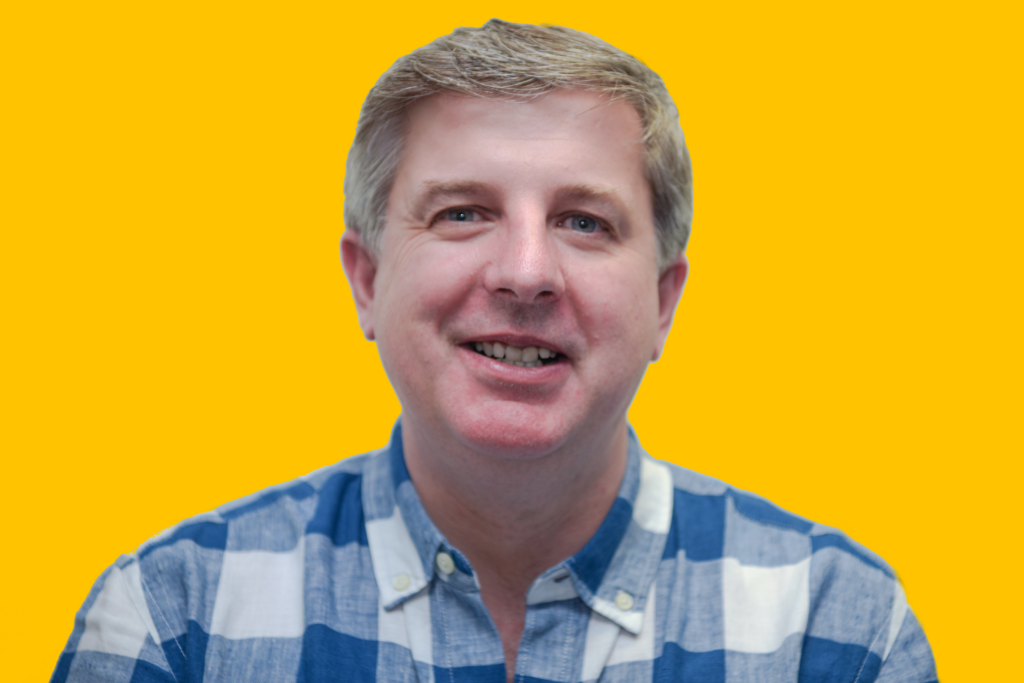
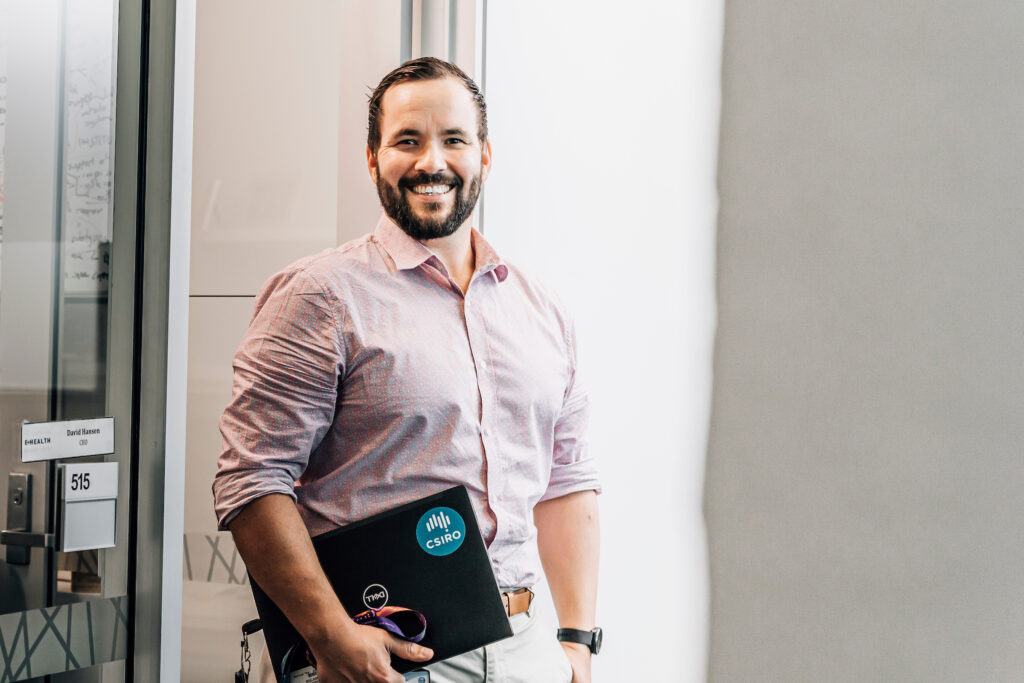
Dr Andrew Goodman is an Aboriginal man from Iningai Country in Queensland. Prior to his PhD, Dr Goodman spent more than 13 years as an Indigenous Healthcare Worker in Queensland, focusing on cardiac and healthcare services with Aboriginal and Torres Strait Islander peoples. Currently, he is a Research Scientist with CSIROs digital health program, where he leads research initiatives focused on building the evidence base for digital health technologies that align with the priorities, interests, and needs of Aboriginal and Torres Strait Islander peoples. Central to his approach is the principle of “Relationships before Partnerships,” which emphasises trust, reciprocity, and accountability as the foundation for meaningful collaboration with Aboriginal and Torres Strait Islander peoples and organisations.