WHRN2024 Research Symposium Programme, Workshop and Speaker Bio’s
Date: 18 & 19 November 2024,
Venue: Dubbo RSL Club, Brisbane Street, Dubbo
Download the Programme below
Download the Oral Abstract Booklet below
Download the Poster Abstract Booklet below
Day 1 Workshops
Workshop 1 – Impactful Research using Codesign in Palliative Care: My Experience with First Nations in Canada (90 mins)
Presented by Professor Hsien Seow.
Aim and intended outcome: Many of the skills to conduct impactful research aren’t learned in the classroom and involve co-design. Dr. Seow will share lessons learned in the field that have enabled me to be an effective change agent, stay optimistic, and collaborate with diverse populations. I will share these principles using the example of Supporting the Journey Home, a First Nations project in Ontario, that is about community capacity-building in palliative care.

Professor Hsien Seow
Dr. Seow is the Canada Research Chair in Palliative Care and Health System Innovation and serves as an associate professor in the Department of Oncology at McMaster University. He also directs the McMaster-ICES satellite site. His research focuses on innovating the palliative care health system and enhancing the quality of care, especially in home and community settings.
Dr. Seow’s work aims to improve the experiences of patients and family caregivers facing serious illnesses throughout their journey. He has collaborated with RAND Health, Health Canada, provincial ministries of health, and policymakers both nationally and internationally to advance palliative care. Additionally, he co-hosts the podcast “The Waiting Room Revolution” and is the author of “The Tao of Innovation: Nine Questions Every Innovator Must Answer.”
Workshop – 2 Rural Health Services and Workforce Research Workshop (3hrs)
Presented by Dr Hazel Dalton
Aim and intended outcome: The Rural Health Research Institute at Charles Sturt University has funded a number of research projects in a small grant scheme. This workshop represents an opportunity for knowledge sharing, networking and collaborative discussion in this area. Project leads will have the opportunity to present on research progress and findings.
Audience: Members of the RHRI Rural Health Services and Workforce theme and those interested in rural health services and workforce research

Dr Hazel Dalton
Dr Hazel Dalton is a Senior Research Fellow of Rural Public Health, at the Rural Health Research Institute, Charles Sturt University, on the slopes of Mount Canobolas in Orange NSW. She is currently engaged with rural place-based health services research (mixed methods and action-research approaches). She has a broad interest in rural health research including health services (policy, planning, co-design, evaluation, case studies), integrated care, health promotion, collaborative approaches to community wellbeing and suicide prevention. She is Chair of the Rural Behavioural Health special interest group of the Global Leadership Exchange and has an Adjunct Associate Professorship with the Mental Health Policy Unit at the University of Canberra. From 2016-2022, she was the Research Leader and Senior Research Fellow at the University of Newcastle’s Centre for Rural and Remote Mental Health.
Workshop 3 – Aboriginal Communities Leading Research (Mob Only) (3 hrs)
Presented by Associate Lecturer Amy Davidson, Prof Lynette Riley.
Aim and intended outcome: Knowledges and decisions belong in the hands of the community you are invited to yarn up about taking the power back in research.
Part 1: Informal Yarning circles. No research experience required, and this session will not be recorded.
Part 2 (OPTIONAL): A recorded session of a Yarning focus group for research purposes.
Aboriginal community members from across western and far western NSW are invited to join a Yarn up about Aboriginal community leadership in research. How can Aboriginal communities lead, govern, undertake and benefit from research? Our conversation builds on the yarn from the 2023 workshop. Topics to be covered during the yarn:
• What are research priorities for your communities? How can we develop research to meet these interests?
• How can we make research practices and outcomes more accessible to Mob?
• How can we bring Aboriginal ways of cultural knowledge sharing into research?
• How can we support pathways for Aboriginal communities and people to work in research (which includes people valued and respected for cultural knowledges).
Part 2 is a response from the requests from the 2023 workshop for the discussions from the workshop to contribute to research to be published, with opportunities for co-authorship and ownership of the knowledges. More information such as, Participant Information Statements and Consent Forms will be provided on the day.
Audience: Aboriginal peoples.

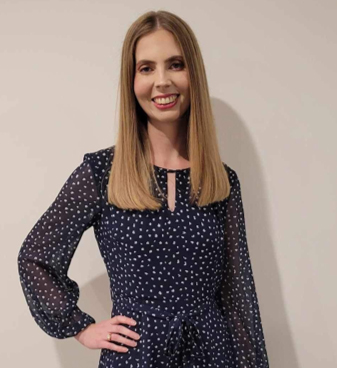
Amy Davidson
Amy Davidson is a proud Wiradjuri woman who is also of mixed European heritage. Amy is an Associate Lecturer in Aboriginal Education and Indigenous Studies at the University of Sydney. In 2019 Amy undertook a Master of Education (by Research) at the University of Sydney on ‘What is Aboriginal Community-Led Research?’ Amy upgraded this research project a PhD research project in 2022, guided by an Aboriginal Governance group of 6 members. Amy is eager to continue working with communities to improve the outcomes of Aboriginal research by shifting power to the community in the research process whilst keeping cultural knowledges safe.

Professor Lynette Riley
Lynette Riley AO is a Wiradjuri and Gamilaroi woman from Dubbo and Moree. She is currently a Professor in the University of Sydney, Sydney School of Education and Social Work. Lynette has more than 40 years working experience as a teacher and in Aboriginal education and administration within primary schools, high schools, TAFE, state office and universities.
Workshop 4 – Rural Oral Health – Challenges and Opportunities (90 mins)
Presented by Dr Shalinie King and Professor Andrew Flatau.
Aim and intended outcome: The national oral health plan (2015-2024) identifies those living in regional and remote Australia as a priority population. This is because Australians in rural and remote areas face a number of barriers to basic oral disease prevention such as reduced access to fluoridated drinking water, higher costs for healthy food choices and oral hygiene products, and higher costs for and reduced access to oral health care providers. The impacts of these are that people in rural and remote Australia are more likely than metropolitan residents to have oral disease including gum disease, dental decay and tooth loss.
The burden of oral disease in rural Australia is reflected in the rates for preventable hospitalisations, in the financial year 2021-22 dental conditions result in the highest number and age-adjusted rates of potentially preventable hospitalisations (just over 20,000 hospitalisations, with a rate of 254 per 100,000. Importantly for regional LHDs this increases to a rate of 303 per 100,000.
These high rates in the 21-22 Financial year suggest that despite rural Australians being identified as a priority population since 2015 the strategies to improve oral health care in rural Australia are not working and we need to think about new strategies and different models of care to address the challenges in rural oral health.
This workshop will bring together key stakeholders to identify the challenges in rural oral health, raise awareness of oral health amongst the broader medical and allied health community, and initiate discussions on strategies to improve oral health outcomes for people living in rural-remote NSW.
Dr Shaline King
Dr Shalinie King is a Senior Lecturer with the University of Sydney Dental School, and programme lead for oral health research at the Westmead Applied Research Centre (WARC). The goals of her work at WARC are to improve awareness of the importance of good oral health in contributing to better heart health outcomes, with a broader focus on improving the integration of oral health care into chronic disease management. Her work aims to design and implement strategies to include oral health assessment and disease prevention as part of the general health system. She also aims to design new models of care to engage oral health care practitioners in chronic disease prevention by exploring the implementation of general health assessments conducted as part of oral health care.
Professor Andrew Flatau
Professor Andrew Flatau is the inaugural Dean of Dentistry and Oral Health in the Centre for Rural Dentistry and Oral Health, which is embedded within the School of Dentistry and Medical Sciences at Charles Sturt University. Prior to the restructure of Schools in 2021, he was Head of the School of Dentistry and Health Sciences, to which he was appointed in April, 2020 – just as the delivery of dental education and oral health services was being challenged by the Covid-19 pandemic.
Andrew graduated from the University of Sydney with First Class Honours and the University Medal in both Dentistry (1982) and Arts (1988) and was awarded his PhD in 2001 for a thesis entitled ‘The anatomy of the infratemporal fossa: dissections and historical representations’. Since then he has taught in various faculties at the University Sydney, and in 1988 at the dental school of the University of Iceland.
Workshop 5 – Better together: a practical co-design workshop (90 mins)
Presented by educators and researchers from Three Rivers Department of Rural Health in partnership with Health Consumers NSW. We will share our diverse experiences using co-design approaches with a range of research participants.
Aim and intended outcome: Participants at this co-design workshop will collaborate, share insights, find innovative solutions, gain mutual understanding, and actionable strategies to improve outcomes, leveraging diverse expertise and lived experiences.
Audience: Clinicians, students and researchers keen to learn about co-design and how to use it in their research projects.

A/Professor Melissa Nott
Principle Research Fellow, Three Rivers Dept of Rural Health. Melissa is a regionally based occupational therapist working with rural communities, health service users, families, health professionals and service providers. She has a strong background in collaborative and partnership-based research that focuses on translating evidence into healthcare practice, supporting health professionals to build sustainable research networks, co-design and co-production with community stakeholders, and evidencing impacts of healthcare initiatives.

Carrie Hayter
Consumer Engagement Manager, Health and Medical Research
–
–
Workshop 6 – Thrive and Flourish: Wellbeing Strategies for All (90 mins)
Presented by Cassandra Talbot and Dr Samantha Jakimowicz.
Aim and intended outcome: “Thrive and Flourish: Wellbeing Strategies for All” is an engaging and interactive workshop designed to bring health professionals together to explore innovative strategies for enhancing both consumer and professional wellbeing. Facilitated by two experienced healthcare professionals, this workshop will provide valuable insights and practical tools to support mental, emotional, and physical health.
Participants will engage in dynamic discussions, hands-on activities, and collaborative exercises, all aimed at fostering a holistic approach to wellbeing. Special emphasis will be placed on addressing the unique challenges faced by those in rural, regional, and remote communities, ensuring that all attendees leave with actionable strategies tailored to their specific contexts.
Whether you’re looking to improve your own wellbeing or seeking new ways to support your patients, this workshop offers a supportive environment to learn, share, and grow. Don’t miss this opportunity to connect with peers and enhance your professional practice.
Audience: Anyone interested in wellbeing of consumers and healthcare workforce in rural and remote areas of Australia.
Cassandra Talbot
Cassandra Talbot is a dedicated healthcare leader who grew up in Rural NSW. She is a Registered Nurse specialising in suicide prevention as a credentialed Mental Health Nurse. As the Director of Mental Health Services running Healthy Minds and National Rural and Remote Suicide Prevention Programs, she currently is an innovative industry leader in mental health. She has Graduate Diplomas in Emergency Nursing and Business Administration and is due to finish a Master of Mental Health Nursing in November. Cassandra volunteers internationally for Girl Guides Australia and facilitates leadership development workshops for the movement. Her global impact includes setting up remote health clinics in Thailand and promoting health education as a lecturer in Vietnam. She trains communities and healthcare professionals in suicide prevention as an ASIST and SafeTalk trainer. With a focus on the SDoH and rural and remote health, Cassandra is passionate about improving health equity for these communities.

Dr Samantha Jakimowicz
Dr. Samantha Jakimowicz, an Associate Professor in Nursing and a qualified psychotherapist, has significantly advanced research and academia. With over $1.1 million in research funding, she currently serves as the Associate Head of School Research & Graduate Studies in the School of Nursing, Paramedicine, and Healthcare Sciences. In this leadership role, she oversees research initiatives and graduate programs, enhancing the research capacity and capability of all academics. Her research focuses on the impact of compassion and empathy on patient care, healthcare professionals, and overall well-being. Dr. Jakimowicz’s work delves into the experiences of both patients and healthcare workers, aiming to improve quality of care and wellbeing. She is widely published in these areas.
Workshop 7 – Getting your research published (60 mins)
Presented by Associate Professor Pim Kuipers, Editor in Chief, Australian Journal of Rural Health
Aim and intended outcome: This workshop will outline key aspects of getting your research or scholarly work published in a peer-reviewed publication. The workshop will:
• Describe the sorts of work that can be submitted.
• Outline the peer review process, including publication ethics.
• Provide an overview of the lead up to acceptance, production, and publication.
• Focus on the AJRH, and how to write for the AJRH readership.
• Note specific priorities and future directions of the AJRH.
Audience: Anyone who would like to get information on getting rural health research written and published.
Pim Kuipers
Pim’s undergraduate training as a psychologist was in Toowoomba, and he completed Honours in Tasmania. He then worked as a psychologist for several rehabilitation and disability services in Queensland.
He undertook postgraduate study in Michigan and completed a PhD at Griffith University on the topic of community based (including rural) approaches to rehabilitation. Pim has worked in applied research, supporting allied health practitioners to conduct research and publish findings. He has also worked in health services research and capacity building internationally (in low-and-middle-income-countries, and internationally, in Geneva).
He has worked as a senior researcher at the Centre for Remote Health, Alice Springs and the Central Queensland Centre for Rural and Remote Health.
As Editor in Chief of the Australian Journal of Rural Health, he works closely with the editorial team to ensure the ongoing relevance and high standards of the Journal. He prioritizes more inclusive actions, strengthening translation to rural health practice, policy and management.
Workshop 8 – How can I make my research more culturally responsive?
Presented by Dr Emma Webster, Amy Davidson and Prof Lynette Riley.
Aim and intended outcome: This workshop is back by popular demand! New and old friends are welcome to join the yarn to make sure your research is culturally responsive and working with Aboriginal communities. Respectful discussion will be invited on how research should change to follow cultural protocols in decision making and how research practices can be done differently to improve cultural safety. Topics to be covered during the yarn:
• How can research be a more culturally safe practice?
• What are the research practices you would like to adapt to support cultural ways of knowing, being and doing?
• How can we challenge dominant research practices, and create space for cultural ways of researching?
• How can non-Aboriginal peoples be better allies in research and academia?
Audience: Aboriginal and non-Aboriginal people who want to do research with Aboriginal communities.

Dr Emma Webster
Emma is a Senior Lecturer in Rural Research with the University of Sydney, School of Rural Health. Emma is
recognised for her pragmatic and collaborative approach to research and her genuine desire to
engage academia to serve community interests. Emma is a non-Aboriginal woman with a settler
history in Australia. In her work with Aboriginal people and communities, she acknowledges
Aboriginal values, ways of knowing and doing research. She has experience applying decolonising
approaches to enhance participation of Aboriginal people in research design and conduct. Emma also
has an interest in exploring bicultural models of care which give proper recognition to the value of
Aboriginal cultural protocols and practices in healthcare.
Amy Davidson
Amy Davidson is a proud Wiradjuri woman who is also of mixed European heritage. Amy is an Associate Lecturer in Aboriginal Education and Indigenous Studies at the University of Sydney. In 2019 Amy undertook a Master of Education (by Research) at the University of Sydney on ‘What is Aboriginal Community-Led Research?’ Amy upgraded this research project a PhD research project in 2022, guided by an Aboriginal Governance group of 6 members. Amy is eager to continue working with communities to improve the outcomes of Aboriginal research by shifting power to the community in the research process whilst keeping cultural knowledges safe.
Professor Lynette Riley
Lynette Riley AO is a Wiradjuri and Gamilaroi woman from Dubbo and Moree. She is currently a Professor in the University of Sydney, Sydney School of Education and Social Work. Lynette has more than 40 years working experience as a teacher and in Aboriginal education and administration within primary schools, high schools, TAFE, state office and universities.
Day 2 Keynote Speaker Biographies

Keynote – Professor Jenny May
Professor Jenny May AM has been passionate about rural health since her first rural medical student placement in 1980 and then as a trainee rural doctor at Tamworth Hospital in 1985.
Professor May’s vast and extensive knowledge working across Australia and internationally has provided multiple opportunities to contribute through research on health workforce matters. She now calls Tamworth home and has had the incredible privilege to live and work with her doctor husband and family in a number of remote and regional locations.
Professor May holds fellowships with RACGP and ACRRM and has extensive experience in clinical practice, research, education and rural health advocacy. In 2016 she was awarded a Member of the Order of Australia (AM) for significant service to community health in rural and regional areas, as a general practitioner, member of professional medical groups, and as an educator.
With over 35 years of working and supporting rural, regional and remote health care, her appointment as the third National Rural Health Commissioner has been widely welcomed.
Keynote 1 – Professor Hsien Seow
Dr. Seow is the Canada Research Chair in Palliative Care and Health System Innovation and serves as an associate professor in the Department of Oncology at McMaster University. He also directs the McMaster-ICES satellite site. His research focuses on innovating the palliative care health system and enhancing the quality of care, especially in home and community settings.
Dr. Seow’s work aims to improve the experiences of patients and family caregivers facing serious illnesses throughout their journey. He has collaborated with RAND Health, Health Canada, provincial ministries of health, and policymakers both nationally and internationally to advance palliative care. Additionally, he co-hosts the podcast “The Waiting Room Revolution” and is the author of “The Tao of Innovation: Nine Questions Every Innovator Must Answer.”
Join us to gain valuable insights from Dr. Seow’s extensive expertise and groundbreaking research in palliative care.

Keynote 2- Reema Harrison
Professor Reema Harrison (BSc hons Psychology; MSc Health Psychology; PhD in Psychology of Patient Safety) is Cancer Institute NSW Career Development Fellow. As a mixed-methods researcher with a strong track record of translational health systems and services research, Professor Harrison leads the Healthcare Engagement and Equity Research team at the Australian Institute of Health Innovation. Her program of research investigates how increasing stakeholder engagement can contribute to improved healthcare quality, experiences and outcomes. Her work has sought to generate, investigate and evaluate models of care through a lens of diversity, specifically in relation to culturally and linguistically diverse communities and people with intellectual disabilities. With a background in Psychology, Professor Harrison has devised and validated tools to evaluate patient and clinician experiences of care in a range of contexts. Her current projects include a 5 year NHMRC Partnership Project (Smarter Hospitals) exploring virtual care integration in Australian health services. She has also published on the use and quality of peer support, mentorship and co-design approaches for creating change to enhance healthcare experiences and outcomes.
Keynote 3- Professor Lynette Riley
Professor Lynette Riley, AO, a Wiradjuri & Gamilaroi woman from Dubbo and Moree, working in the Sydney School of Education & Social Work, The University of Sydney; and Chair, for Aboriginal Education and Indigenous Studies.
Lynette trained as an infants/primary teacher. She has been a classroom teacher; an Aboriginal Education consultant; worked in TAFE; State Manager for Aboriginal Education; and an academic. Her career focus is improving educational delivery for Aboriginal students and ensuring non-Indigenous students gain accurate information about Aboriginal people’s their histories and cultures. Lynette’s PhD was conferred in 2017, looking at ‘Conditions of Academic Success for Aboriginal Students in Schools’.

Invited Address – Kelly Jones & Misty Amopiu (Aboriginal Health and Medical Research Council
Kelly Jones is a proud Gomeroi descendant on her maternal grandfather’s side, hailing from Boomi in New South Wales. She currently serves as the Ethics Coordinator for the Aboriginal Health & Medical Research Council (AH&MRC), a role she has dedicated herself to for the past four years.
Kelly has shared her expertise at several prominent events, including the 2023 Lowitja Institute International Conference, the 2023 AH&MRC Ethics Forum, and the 2024 AH&MRC Policy Health Summit, among others.
She is deeply passionate about educating researchers and institutions on the vital importance of Aboriginal governance in research, advocating for its inclusion to ensure culturally respectful and impactful outcomes.

Misty Amopiu is a proud Māori woman from Aotearoa.
For the past two years, she has served as the Ethics Officer for the Aboriginal Health & Medical Research Council (AH&MRC), where she is part of the secretariat for the AH&MRC Ethics Committee.
In 2023, Misty presented at the Lowitja Institute International Conference in Cairns. Additionally, she has assisted in organising and presenting at the first annual AH&MRC Ethics Forum in 2023, continuing her involvement in the 2024 forum.
Misty’s passion for Indigenous people and cultures is the driving force behind her work. Her role within the ethics team has fostered not only her professional growth but her personal development too.