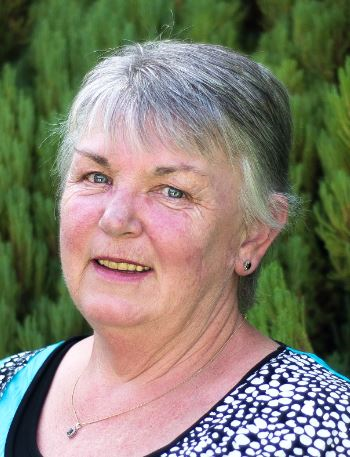
We are very fortunate to have Dr Kristy Robson from Three Rivers Department of Rural Health joining us to share her expertise. We encourage you to bring examples of challenges from your own research, suggestions or ideas and any questions for Dr Robson.
Transcript
Speaker 1:As mentioned earlier, I am excited to reconvene our network meetings. This relaunch represents a valuable opportunity for our members to connect regularly, exchange ideas, and articulate their expectations from these sessions. Before proceeding, I would like to acknowledge the traditional custodians of the land on which we meet. We honor the enduring cultures of many Aboriginal clans, tribes, and nations, and we commit to conducting our research in genuine partnership with Aboriginal communities, recognizing their strength and resilience. Today, I stand before you on Wiradjuri land.
I would like to formally welcome you once more as we kick off the discussions. The initial topics for our sessions were derived from a survey completed by our network members during last year’s research symposium. A prominent area of interest identified was the challenges associated with recruiting participants for research studies. Thus, we are fortunate to have a distinguished keynote speaker, Dr. Kristy Robson.
As we progress, please submit any specific requests you may have for future network sessions, and I will share contact details towards the end of our discussion, on the final slide as well. Alongside this, I would like to highlight a few noteworthy announcements. Firstly, I would like to remind everyone about the upcoming WHRN Symposium, scheduled for November 3rd and 4th at the CSU campus in Orange. This year’s theme revolves around building research networks and collaborative approaches to rural health research.
Our chair of the scientific committee can confirm that we have received an impressive number of abstracts, totaling 98 this year. The symposium will feature excellent research presentations, as well as a lineup of esteemed keynote speakers. Please consider registering at the early bird rate, which concludes on September 30th. For additional details on registration, please refer to the symposium website.
Secondly, I am pleased to announce that we have revamped the WHRN website, thanks to the outstanding efforts of our team. I encourage everyone to explore the new offerings available.
Speaker 2:I have no further comments at this time; you have covered everything succinctly.
Speaker 1:Thank you. We shall now transition to our primary discussion topic. As previously mentioned, a significant concern identified in our survey has been the difficulties faced in recruiting research participants in rural areas. We are privileged to hear from Dr. Kristy Robson, a seasoned researcher. After her presentation, there will be an opportunity for questions; I encourage you to use the chat function or raise your hand at the end.
I invite Dr. Robson to the floor. She is a senior research fellow with the Three Rivers Department of Rural Health at Charles Sturt University, possessing over 30 years of experience. Her contributions span clinical, academic, and research domains, focusing on improving health outcomes for rural communities in Australia. Dr. Robson’s extensive research areas include healthy aging, chronic disease, mental health, and evaluations of rural health services. She actively influences health policy and system reform through her role on the NSW Ministerial Advisory Council on Aging and as Chair of the Podiatry Board of Australia under the Australian Health Practitioner Regulation Agency. Additionally, she leads the Research Staff Network for the Australian Rural Health Education Network, advocating for collaborative capacity building across rural health research. Furthermore, she hosts the Rural Researcher Podcast series, which facilitates the dissemination of insights and experiences in rural health research. I highly recommend this podcast for those seeking relevant discussions in the field.
Now, I will step back and hand over to Dr. Robson. Thank you.
Dr. Robson:Thank you for the introduction. I appreciate the invitation to present today. Recruitment in rural populations is a pressing topic in research, one that we have addressed in our recent studies, particularly related to mental health. Our research experiences illuminated some significant challenges, which we later discussed in a conference presentation that garnered considerable attention and subsequently led to a published paper in the Australian Journal of Rural Health.
Today I will share insights regarding the challenges identified in our recruitment efforts, coupled with strategies we devised to overcome these hurdles. As researchers grow in experience, they cultivate knowledge that aids their understanding of these challenges.
It is vital to frame why research in rural areas is essential. First and foremost, equity in evidence is critical; it is vital to include diverse voices and ensure that rural populations are represented in both national and global research narratives. This representation helps avoid policy designs that are overly focused on metropolitan-centric views.
Rural communities are characterized by distinct cultural norms and health beliefs, which may not be captured in research lacking the context of these communities. When research fails to consider these factors, it risks ineffectiveness. Data from rural participants bolsters advocacy for resource allocation and health policies tailored specifically for rural contexts. Moreover, rural communities exemplify innovation and resilience, often providing lessons that can benefit broader practices.
Trust in research is another critical aspect. Rural participants are more likely to engage with research when they perceive that they are valued and represented, especially when researchers are from or actively engaged within their communities. Conversely, there is often distrust when external researchers come in, collect data, and leave without meaningful engagement.
Additionally, recruitment efforts aimed at reducing disparities in health outcomes between rural and urban areas are essential. Lessons learned from rural research hold relevance for international contexts grappling with analogous demographic and geographic challenges.
In our recent projects, we encountered significant recruitment challenges. Specifically, we aimed to gather diverse perspectives through social media, particularly Facebook, as it is favored by older populations. Early enthusiasm yielded a flood of responses; however, many of these entries originated from AI bots, complicating our recruitment efforts.
Further issues arose regarding geographic isolation, which necessitated embedding transport costs into our project budgets to remove barriers for participants in rural settings. Managing variability in digital access and health literacy also proved to be challenging, alongside prevailing skepticism towards research within these communities.
One of the most notable issues emerged when attempting to engage participants in sensitive areas, such as mental health. Many potential participants were apprehensive about sharing experiences in group settings due to concerns about visibility in small rural communities.
To address these recruitment hurdles, we have reflected on several solutions. Realistic planning is crucial since recruitment in rural settings often requires more time and resources. Establishing achievable targets while identifying local champions or trusted contacts can significantly enhance recruitment success as these sources often have established rapport with potential participants.
Building authentic relationships and providing value adds—such as educational resources or community presentations—can also foster a supportive recruitment environment. Additionally, diversifying recruitment approaches, utilizing both traditional and digital communication channels, and engaging community members in co-design processes are strategies worth considering.
In conclusion, fostering community relationships can be a proactive approach to building trust and gathering support for research initiatives. Acknowledging the unique characteristics of rural communities and employing tailored strategies can ultimately lead to successful participant recruitment.
I welcome any subsequent questions or insights regarding your experiences in this area.
Speaker 1:Thank you, Dr. Robson, for the enlightening presentation. I would now like to open the floor for questions.
Audience member:*I found your presentation quite insightful. Could you provide your perspective on why overseas individuals expressed interest in participating, despite passing through screening processes?
Dr. Robson:In the instances we observed, the primary motivator seemed to be the financial incentive offered for participation. Although we ensured that participants met specific eligibility criteria, some individuals may have attempted to participate mainly due to monetary benefits.
Audience member:*Did the recruitment responses from AI originate from the Facebook post, or could they have emerged from other automated sources?
Dr. Robson:The responses we received appeared to originate directly from our Facebook post, as interested individuals were directed to our email for contact. The timing of certain responses and their content indicated that they were likely generated by bots rather than genuine participants. We received over 150 responses in a relatively short time, requiring significant effort to differentiate between valid inquiries and AI-generated responses.
Audience member:*Regarding your recruitment strategies, did you consider targeted advertisements on social media to mitigate AI bot traffic?
Dr. Robson:Our initial approach did not involve paid ads; however, your suggestion about targeting specific demographics through paid ads presents an interesting avenue for future recruitment efforts.
Audience member:*In your experience with healthcare professionals, particularly GPs, do you find that they respond differently to recruitment strategies, and what unique challenges do you encounter?
Dr. Robson:Recruiting healthcare professionals poses distinct challenges, primarily due to their demanding schedules. Ensuring that potential participants recognize the value of the research and providing relevant incentives—particularly professional development opportunities—can facilitate engagement. Utilizing trusted sources and established networks also enhances recruitment efforts.
Audience member:*What strategies have proven successful for recruiting healthcare workers in rural areas?
Dr. Robson:The approaches mentioned earlier, such as leveraging existing networks and embedding research opportunities within professional development contexts, have demonstrated efficacy. Ensuring clear communication about what participants stand to gain from their involvement is crucial in garnering interest from busy professionals.
Audience member:*I wanted to share a success we had in recruiting participants by partnering with a local organization that facilitated outreach at familiar support group events. This strategy resulted in a significantly higher uptake of participants from that demographic.
Dr. Robson:*Thank you for sharing that insight; it underscores the importance of meeting participants where they feel comfortable.
Speaker 1:*Thank you, Dr. Robson, for your comprehensive insights and for fostering this engaging discussion. If there are no additional questions or comments, I would like to conclude the meeting.
Speaker 1:Finally, I will put the details of a research request from a colleague into the chat, which may be of interest. Thank you all for your participation, and I look forward to seeing you at the WHRN Symposium and future network meetings.
End of Transcript