Strategies and resources for overcoming challenges in recruiting participants to rural research

We are very fortunate to have Dr Kristy Robson from Three Rivers Department of Rural Health joining us to share her expertise. We encourage you to bring examples of challenges from your own research, suggestions or ideas and any questions for Dr Robson.

Transcript

Speaker 1:As mentioned earlier, I am excited to reconvene our network meetings. This relaunch represents a valuable opportunity for our members to connect regularly, exchange ideas, and articulate their expectations from these sessions. Before proceeding, I would like to acknowledge the traditional custodians of the land on which we meet. We honor the enduring cultures of many Aboriginal clans, tribes, and nations, and we commit to conducting our research in genuine partnership with Aboriginal communities, recognizing their strength and resilience. Today, I stand before you on Wiradjuri land.

I would like to formally welcome you once more as we kick off the discussions. The initial topics for our sessions were derived from a survey completed by our network members during last year’s research symposium. A prominent area of interest identified was the challenges associated with recruiting participants for research studies. Thus, we are fortunate to have a distinguished keynote speaker, Dr. Kristy Robson.

As we progress, please submit any specific requests you may have for future network sessions, and I will share contact details towards the end of our discussion, on the final slide as well. Alongside this, I would like to highlight a few noteworthy announcements. Firstly, I would like to remind everyone about the upcoming WHRN Symposium, scheduled for November 3rd and 4th at the CSU campus in Orange. This year’s theme revolves around building research networks and collaborative approaches to rural health research.

Our chair of the scientific committee can confirm that we have received an impressive number of abstracts, totaling 98 this year. The symposium will feature excellent research presentations, as well as a lineup of esteemed keynote speakers. Please consider registering at the early bird rate, which concludes on September 30th. For additional details on registration, please refer to the symposium website.

Secondly, I am pleased to announce that we have revamped the WHRN website, thanks to the outstanding efforts of our team. I encourage everyone to explore the new offerings available.

Speaker 2:I have no further comments at this time; you have covered everything succinctly.

Speaker 1:Thank you. We shall now transition to our primary discussion topic. As previously mentioned, a significant concern identified in our survey has been the difficulties faced in recruiting research participants in rural areas. We are privileged to hear from Dr. Kristy Robson, a seasoned researcher. After her presentation, there will be an opportunity for questions; I encourage you to use the chat function or raise your hand at the end.

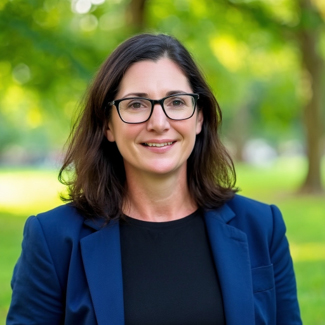
I invite Dr. Robson to the floor. She is a senior research fellow with the Three Rivers Department of Rural Health at Charles Sturt University, possessing over 30 years of experience. Her contributions span clinical, academic, and research domains, focusing on improving health outcomes for rural communities in Australia. Dr. Robson’s extensive research areas include healthy aging, chronic disease, mental health, and evaluations of rural health services. She actively influences health policy and system reform through her role on the NSW Ministerial Advisory Council on Aging and as Chair of the Podiatry Board of Australia under the Australian Health Practitioner Regulation Agency. Additionally, she leads the Research Staff Network for the Australian Rural Health Education Network, advocating for collaborative capacity building across rural health research. Furthermore, she hosts the Rural Researcher Podcast series, which facilitates the dissemination of insights and experiences in rural health research. I highly recommend this podcast for those seeking relevant discussions in the field.

Now, I will step back and hand over to Dr. Robson. Thank you.

Dr. Robson:Thank you for the introduction. I appreciate the invitation to present today. Recruitment in rural populations is a pressing topic in research, one that we have addressed in our recent studies, particularly related to mental health. Our research experiences illuminated some significant challenges, which we later discussed in a conference presentation that garnered considerable attention and subsequently led to a published paper in the Australian Journal of Rural Health.

Today I will share insights regarding the challenges identified in our recruitment efforts, coupled with strategies we devised to overcome these hurdles. As researchers grow in experience, they cultivate knowledge that aids their understanding of these challenges.

It is vital to frame why research in rural areas is essential. First and foremost, equity in evidence is critical; it is vital to include diverse voices and ensure that rural populations are represented in both national and global research narratives. This representation helps avoid policy designs that are overly focused on metropolitan-centric views.

Rural communities are characterized by distinct cultural norms and health beliefs, which may not be captured in research lacking the context of these communities. When research fails to consider these factors, it risks ineffectiveness. Data from rural participants bolsters advocacy for resource allocation and health policies tailored specifically for rural contexts. Moreover, rural communities exemplify innovation and resilience, often providing lessons that can benefit broader practices.

Trust in research is another critical aspect. Rural participants are more likely to engage with research when they perceive that they are valued and represented, especially when researchers are from or actively engaged within their communities. Conversely, there is often distrust when external researchers come in, collect data, and leave without meaningful engagement.

Additionally, recruitment efforts aimed at reducing disparities in health outcomes between rural and urban areas are essential. Lessons learned from rural research hold relevance for international contexts grappling with analogous demographic and geographic challenges.

In our recent projects, we encountered significant recruitment challenges. Specifically, we aimed to gather diverse perspectives through social media, particularly Facebook, as it is favored by older populations. Early enthusiasm yielded a flood of responses; however, many of these entries originated from AI bots, complicating our recruitment efforts.

Further issues arose regarding geographic isolation, which necessitated embedding transport costs into our project budgets to remove barriers for participants in rural settings. Managing variability in digital access and health literacy also proved to be challenging, alongside prevailing skepticism towards research within these communities.

One of the most notable issues emerged when attempting to engage participants in sensitive areas, such as mental health. Many potential participants were apprehensive about sharing experiences in group settings due to concerns about visibility in small rural communities.

To address these recruitment hurdles, we have reflected on several solutions. Realistic planning is crucial since recruitment in rural settings often requires more time and resources. Establishing achievable targets while identifying local champions or trusted contacts can significantly enhance recruitment success as these sources often have established rapport with potential participants.

Building authentic relationships and providing value adds—such as educational resources or community presentations—can also foster a supportive recruitment environment. Additionally, diversifying recruitment approaches, utilizing both traditional and digital communication channels, and engaging community members in co-design processes are strategies worth considering.

In conclusion, fostering community relationships can be a proactive approach to building trust and gathering support for research initiatives. Acknowledging the unique characteristics of rural communities and employing tailored strategies can ultimately lead to successful participant recruitment.

I welcome any subsequent questions or insights regarding your experiences in this area.

Speaker 1:Thank you, Dr. Robson, for the enlightening presentation. I would now like to open the floor for questions.

Audience member:*I found your presentation quite insightful. Could you provide your perspective on why overseas individuals expressed interest in participating, despite passing through screening processes?

Dr. Robson:In the instances we observed, the primary motivator seemed to be the financial incentive offered for participation. Although we ensured that participants met specific eligibility criteria, some individuals may have attempted to participate mainly due to monetary benefits.

Audience member:*Did the recruitment responses from AI originate from the Facebook post, or could they have emerged from other automated sources?

Dr. Robson:The responses we received appeared to originate directly from our Facebook post, as interested individuals were directed to our email for contact. The timing of certain responses and their content indicated that they were likely generated by bots rather than genuine participants. We received over 150 responses in a relatively short time, requiring significant effort to differentiate between valid inquiries and AI-generated responses.

Audience member:*Regarding your recruitment strategies, did you consider targeted advertisements on social media to mitigate AI bot traffic?

Dr. Robson:Our initial approach did not involve paid ads; however, your suggestion about targeting specific demographics through paid ads presents an interesting avenue for future recruitment efforts.

Audience member:*In your experience with healthcare professionals, particularly GPs, do you find that they respond differently to recruitment strategies, and what unique challenges do you encounter?

Dr. Robson:Recruiting healthcare professionals poses distinct challenges, primarily due to their demanding schedules. Ensuring that potential participants recognize the value of the research and providing relevant incentives—particularly professional development opportunities—can facilitate engagement. Utilizing trusted sources and established networks also enhances recruitment efforts.

Audience member:*What strategies have proven successful for recruiting healthcare workers in rural areas?

Dr. Robson:The approaches mentioned earlier, such as leveraging existing networks and embedding research opportunities within professional development contexts, have demonstrated efficacy. Ensuring clear communication about what participants stand to gain from their involvement is crucial in garnering interest from busy professionals.

Audience member:*I wanted to share a success we had in recruiting participants by partnering with a local organization that facilitated outreach at familiar support group events. This strategy resulted in a significantly higher uptake of participants from that demographic.

Dr. Robson:*Thank you for sharing that insight; it underscores the importance of meeting participants where they feel comfortable.

Speaker 1:*Thank you, Dr. Robson, for your comprehensive insights and for fostering this engaging discussion. If there are no additional questions or comments, I would like to conclude the meeting.

Speaker 1:Finally, I will put the details of a research request from a colleague into the chat, which may be of interest. Thank you all for your participation, and I look forward to seeing you at the WHRN Symposium and future network meetings.

End of Transcript
Plenary Session:

Driving Equity in Research: Supporting Regional, Rural, Remote and Indigenous Communities

We will be joined by Dr Natasha Friend and Dr Bronwyn Wyatt from the National Health and Medical Research Council (NHMRC) Equity Team. They will provide an overview of NHMRC’s equity policy activities, with a particular focus on gender, regional, remote and rural (RRR) equity and indigenous equity activities

This presentation will be followed by a session exploring the barriers faced by regional, rural and remote researchers with discussions on advancing equity across the research sector to complete the session.

Dr Natasha Friend is the Assistant Director Equity in the Research Quality and Advice Branch at the National Health and Medical Research Council (NHMRC). Natasha helps lead NHMRC equity policy across priority areas including gender and rural, regional and remote equity. Natasha completed her PhD in the genetics of multiple myeloma at the South Australian Health and Medical Research Institute. She has worked at both NHMRC and the Australian Research Council in several roles including grants administration, evaluation and policy.

Dr Bronwyn Wyatt is a Senior Policy Officer in the Research Quality and Advice Branch at the National Health and Medical Research Council (NHMRC), supporting initiatives that promote equity in and through health and medical research. Bronwyn has a PhD in Biological Anthropology from the Australian National University and previously worked as a Data Analyst at the Australian Institute of Health and Welfare across a range of national health data programs.


Workshop:

Digital Health, AI and Equity in Rural Settings

Presenters: Abe Warwick, Ged Hawthorn
  1. Visionflex: An interactive experience with a live connection from the workshop room back to the Visionflex demonstration suite in Sydney. You will watch a real consultation happen across several hundred kilometres, with live diagnostics coming back in real time. A mobile kit will be in situ so you can pick up and handle the devices themselves, including the examination camera, digital stethoscope and camera glasses.
  2. Pharma8: Improving Medication Safety and Buying Back Time for Rural Clinicians
    As a pharmacist inside NSW Health, Ged designed implemented and researched a virtual clinical pharmacy service that scaled to over 30 health services across Western NSW, bringing clinical pharmacist input to rural sites that had never had it before. That’s what equity in rural health actually looks like in practice: not a scaled-down version of a city service, but genuinely new access where none existed. However the research behind it told a harder truth: even at scale, the service was only reaching 1/3 of patients on discharge. In a fiscally constrained environment, more staff wasn’t the answer, smart technology was. That insight led Ged to found PharmaM8.
    Reconciling medications on discharge and preparing the required paperwork can eat 20–30 minutes of a clinician’s day, one of the most preventable sources of patient harm made worse by exactly the kind of time pressure rural and remote clinicians face every shift. In this session, watch unformatted, jargon-filled medication information be transformed in minutes into a verified, patient-friendly medication list and interim medication chart. Attendees will see how digital health and AI, applied carefully and with clinical scrutiny, can close the coverage gap by giving clinicians time back to spend more time in direct patient care.
Abe leads Customer Success at Visionflex, an Australian health technology company whose virtual care platform is used across aged care, Aboriginal Community Controlled Health Organisations, remote and rural health services, mine sites and Antarctic research stations. He works with health services across Australia and New Zealand to turn telehealth equipment into models of care that actually get used, with a particular focus on remote and rural settings where workforce shortages make hub and spoke delivery the only realistic option. Abe is interested in the practical side of digital health equity, including what happens when technology is funded and installed without a model of care to support it.
Ged Hawthorn is a pharmacist and healthtech founder with a growing interest in rural health research. Ged helped design and evaluate a virtual clinical pharmacy service and then led the expansion to over 30 health services across rural and remote Western NSW. This work has contributed to six peer-reviewed publications, including a stepped-wedge randomised controlled trial (BMC Health Services Research) and a recent economic evaluation modelling the service’s return on investment (Journal of Pharmacy Practice and Research, 2026). 
Ged‘s career has been built in rural and remote pharmacy, from sole pharmacist in charge of a remote-area pharmacy in Cobar, NSW, to Senior Regional Pharmacist with WA Country Health Service in Broome, where he worked in the region’s telechemotherapy unit, a unique model improving access to chemotherapy, while also covering medication supply across the entire Kimberley region, an area of over 420,000 square kilometres. He remains a practising Senior Clinical Pharmacist and Pharmacy Educator at Western NSW Local Health District, and is a guest lecturer at the University of Sydney and Charles Sturt University.
Across his public health career, Ged has built a strong record of innovation, leading new models of care and designing and implementing digital tools within NSW Health. This has been recognised with numerous awards at both local and state levels. He is now applying that same drive to innovate from outside the constraints of a slow-moving public system, Founding Hawthorn Healthtech and building PharmaM8, a digital health tool that cuts the administrative work and improves medication safety on transfer of care, a finalist in the 2025 Innovate with nbn Awards. He is a Board Certified Geriatric Pharmacist (American College of Clinical Pharmacy), a Fellow of Advanced Pharmacy Australia in Critical Care and Education (FANZCAP), and completed Cohort 3 of the Australian Clinical Entrepreneur Program in 2025.

Workshop:

Oral health is everyone’s business: Collaborative Oral Health Care in Rural Communities

  1. From Dental Chair to Primary Care: Integrating Oral and Systemic Health Associate Professor Shalinie King
    Rural Placement Programme Academic Lead, The University of Sydney Dental School, and Oral Health Programme Lead, Westmead Applied Research Centre

  2. Oral health advice in non-dental settings
    Dr Lauren Church
    Lecturer, The University of Sydney Dental School 

  3. Digital platforms to improve access to paediatric care (Vspec project)
    Associate Professor Mel Nott
    Principal Research Fellow | Three Rivers Department of Rural Health Charles Sturt University

  4. Caring and call to action for young smiles: International Recommendations for Children’s Oral Health
    Associate Professor Marco Benini Paschoal 
    Research lead in the Centre for Rural Dentistry and Oral Health at Charles Sturt University
Presenters:

Shalinie King is an Associate Professor with the University of Sydney Dental School where she is the academic lead for Rural Placements, and program lead for Oral Health Research at the Westmead Applied Research Centre (WARC). Shalinie is a practising clinician with experience working in both the public and private sectors, she has extensive teaching experience and recently completed a 12-month term as Director of Academic Education at the Sydney Dental School.

Her research interests include understanding the associations between oral health and overall health, developing and evaluating strategies to improve community access to basic oral health information focusing on the use of digital technologies to support oral health promotion. Her work aims to design and implement new models of care that integrate oral and overall health care and, that improve community awareness and knowledge about the importance of good oral health in contributing to better overall health outcomes.

Dr Lauren Church is a Lecturer with the University of Sydney Dental School, where she is third-year unit of study coordinator for the Bachelor of Oral Health. Lauren is a registered clinician with public and private sector experience and teaches BOH students in the acute care setting at Sydney Dental Hospital, where she fosters interprofessional learning between BOH and DMD students.

She recently completed her PhD at the University of Sydney. Her research examines the connection between oral health and cardiovascular disease, oral health education in hospital settings, and protocols for integrating digital oral health interventions into cardiac rehabilitation. Her work aims to shape compassionate, patient-centred clinicians and to advance oral health within broader public health strategies. Lauren is Deputy Chair of the Oral Health Association of Australia (NSW Branch) and NSW Oral Health Representative for the Public Health Association of Australia.

Melissa is a regionally based occupational therapist working with rural communities, health service users, families, health professionals and service providers. She has a strong background in collaborative and partnership-based research that focuses on translating evidence into healthcare practice, supporting health professionals to build sustainable research networks, co-design and co-production with community stakeholders, and evidencing impacts of healthcare initiatives.

AProf Marco Paschoal is an Associate Professor in Clinical Dentistry at Charles Sturt University, (Orange Campus) and a specialist paediatric dentist with a strong commitment to advancing child oral health through research, education, and clinical practice. His research focuses on developmental dental defects, particularly molar hypomineralisation, alongside cariology, and evidence-based approaches to paediatric dental care. He has published extensively in international peer-reviewed journals and is passionate about translating research findings into meaningful improvements in clinical care and health outcomes for children and adolescents. Beyond his academic role, he has actively contributed to the advancement of oral health research through professional leadership and scholarly service. He serves as the IADR Western NSW Councillor and is an active member of the Australian and New Zealand Society of Paediatric Dentistry (ANZSPD) and the International Association of Paediatric Dentistry (IAPD). He also contributes to scientific publishing as a Board Member of Scientific Reports, an Editorial Board Member of BMC Oral Health, and a Guest Editor for BMC Pediatrics, supporting the dissemination of high-quality research and evidence-based practice worldwide.

Workshop:

Doing research that matters: How to plan program evaluation in rural health services

This workshop aims to provide an overview of key issues and considerations in planning and undertaking evaluation of health and wellbeing programs. Participants will be introduced to a simple step-by-step approach that can be applied successfully in many health program contexts. The workshop will draw on a case study of a Marathon Health program that has recently completed this evaluation process.

Read about the process: https://onlinelibrary.wiley.com/doi/epdf/10.1111/ajr.70068
Presenter: Matt Thomas

Matt Thomas is a clinical psychologist working in the role of Principal Practice Lead with Marathon Health, based in Bathurst, NSW. His role includes leading research activities focussed on evaluation of innovative rural health services and rural health workforce development.  He is an Adjunct Associate Professor in the School of Psychology at Charles Sturt University and in the Discipline of Psychiatry and Mental Health at the University of NSW.

Workshop:

Innovating together: A practical workshop on co-designing for rural health research

This workshop aims to equip participants with knowledge and practical skills for engaging health consumers in research co-design and implementation. Facilitated by an experienced team of health consumers and researchers, this will be a engaging and dynamic workshop that unpacks the co-design process.
 
Facilitators: Carrie Hayter, Health Consumers NSW and Melissa Nott, Three Rivers Department of Rural Health

Carrie Hayter works to amplify the human rights and living experience of people who use aged care, disability and health care services and has over 30 years’ experience working alongside people who use aged care, disability and health services to improve and change service systems. Carrie has a Bachelor of Social Work (Honours) from the University of NSW, a Masters of Economics (Honours) from the University of Sydney, is a 2017 graduate of the Sydney Leadership Program, and a Distinguished Member of the Australian Association of Gerontology.  Carrie has living experience of Coronary Artery Disease and is a consumer representative on the St Vincents Private Hospital Consumer Advisory Committee, the St Vincents Private Hospital Clinical Governance Committee  and the Westmead Applied Research Centre in Sydney.  She is a Consumer Adviser on the Victor Chang Cardiac Research Institute, Consumer and Community Involvement Working group that is working to improve consumer and community involvement in research across the Institute. Between 2021 and 2024, she worked for Health Consumers NSW as the Consumer Engagement Manager, Health and Medical Research, working to build the capability and capacity of consumers and researchers to involve consumers and the community in health and medical research. Carrie’s vision is for all people and communities to live their best lives supported by service systems underpinned by human rights and evidence-based practice.   Find out more at https://www.carriehayter.com/.

Melissa is a regionally based occupational therapist working with rural communities, health service users, families, health professionals and service providers. She has a strong background in collaborative and partnership-based research that focuses on translating evidence into healthcare practice, supporting health professionals to build sustainable research networks, co-design and co-production with community stakeholders, and evidencing impacts of healthcare initiatives.

Workshop:

Strengthening the Rural Health Workforce Through Research

Research often begins with a simple question: Why does this happen? Could we do this differently?

Designed for clinicians with emerging curiosity about research, this interactive workshop explores how everyday challenges, observations, and quality improvement activities can become meaningful research opportunities. Through a researcher panel and practical group activities, participants will learn how to identify workplace problems, develop research questions, and take their first steps towards research that can improve rural health services and patient outcomes.

Presenters: Luke Marks and Sharon Laver

Luke Marks is a Research Coordinator, nurse leader, and PhD candidate with more than 24 years’ experience across rural and regional healthcare. His clinical background spans emergency, paediatric, community, renal, perioperative, intensive care, and nursing leadership roles. Luke currently leads initiatives focused on nursing and midwifery workforce development, leadership, research, advanced practice, and professional standards. Passionate about building research capacity within the healthcare workforce, Luke is the founder of the Nursing and Midwifery Research Excellence Centre (NaMREC), an Adjunct Senior Lecturer with Charles Sturt University, and is currently undertaking a PhD exploring leadership practice among Advanced Practice Nurses in regional New South Wales. A Wiradjuri man living and working on Wiradjuri Country, Luke is committed to supporting clinicians to translate curiosity, quality improvement activities, and everyday practice challenges into meaningful research that strengthens rural health services and improves patient outcomes.

Sharon is a Registered Nurse and academic at Charles Sturt University (CSU) with extensive experience in community-based nursing, health service management, and organisational development. Her experience extends from major metropolitan hospitals to rural and small remote Australian health services and has included major state level project work. Her research interests include transition to professional practice, rural nursing workforce preparation, development, retention, and capacity building. Sharon has been working with the Western NSW LHD Nursing and Midwifery Research Excellence Centre (NaMREC) to build research capacity and capability through a number of projects. If accepted, this workshop will be co-facilitated by NaMREC project participants and CSU partners.

Proudly sponsored by:

Workshop:

Things We Have Learnt the Hard Way: An Introduction to Mental Health Research for New Starters

Mental health research is full of unexpected challenges. In this interactive workshop, we’ll discuss some of the common pitfalls and practical solutions we’ve learned through experience. it focuses on the practical things that don’t make it into research methods textbooks. Join us to explore literacy-friendly participant information sheets, distress and wellbeing protocols, reducing research burden on participants and clinicians, recruiting realistic samples in rural communities, and choosing the right outcome measures. Bring your questions and examples from your own projects. Experienced researchers are encouraged to come along and share their learnings too.
Presenters: Professor Julaine Allan, Dr Nicole Snowdon, Dr Kate Freire
Proudly Sponsored by:

Plenary Session:

Aboriginal and Torres Strait Islander leadership in research

We will hear from Michael Newman, Deputy CEO of the Lowitja Institute, who will provide an overview of the Institute’s work. He will be followed by Judy Johnson, Chair of the Riverina Medical and Dental Aboriginal Corporation, and Simone Sherriff, Senior Research Fellow at the Poche Centre for Indigenous Health, University of Sydney, who will present a Lowitja Institute-funded research case study from Western NSW.

Nicole Turner, CEO of the Aboriginal Health & Medical Research Council of NSW, will then discuss the importance of strategic research and its role in improving Aboriginal health outcomes. The session will conclude with an opportunity for questions and discussion.

Following this, Jamie Newman will introduce the Orange Aboriginal Medical Service (OAMS). We will then hear from Fiona Clarke, Clinical Administration Lead at OAMS, who will present research from the Antecedents of Renal Disease in Aboriginal Children and Young People (ARDAC) Kidney Health Research Program. Anne-Marie Mepham, Chronic Care Coordinator at OAMS, will then present Screen Your Way, a cervical screening self-collection project.

The session will conclude with a further opportunity for Q&A and discussion.

Networking Session:

In this session, you’ll work your way through a fun set of questions to discover new contacts and connections. It’s a networking adventure, with maps of where you travelled – and maybe even some treasure – at the end.

You’ll need to bring your mobile phone along to this session to take part.


Dr Anthony Brown

Dr. Anthony Brown is the Research Manager at Health Consumers NSW (HCNSW). HCNSW is the peak consumer group in the state, it is an independent, membership-based charity that works to ensure that health consumers (patients, carers, and families) are involved in the decisions that impact on them. Growing up in the Central West has given Anthony a strong connection to regional communities and a firsthand understanding of the factors that influence health and wellbeing outside major cities. Anthony is both a strong advocate for consumer involvement in research and an experienced researcher. Before joining HCNSW he was the Manager of the Men’s Health Information and Resource Centre at the University of Western Sydney, where he completed a doctorate (PhD) looking at retired men’s community engagement.

Dr Andrew Goodman

Dr Andrew Goodman is an Aboriginal man from Iningai Country in Queensland. Prior to his PhD, Dr Goodman spent more than 13 years as an Indigenous Healthcare Worker in Queensland, focusing on cardiac and healthcare services with Aboriginal and Torres Strait Islander peoples. Currently, he is a Research Scientist with CSIROs digital health program, where he leads research initiatives focused on building the evidence base for digital health technologies that align with the priorities, interests, and needs of Aboriginal and Torres Strait Islander peoples. Central to his approach is the principle of “Relationships before Partnerships,” which emphasises trust, reciprocity, and accountability as the foundation for meaningful collaboration with Aboriginal and Torres Strait Islander peoples and organisations.